Part evidence first
Send the drawing, sample photos, worn surface, broken area, dimensions, material notes, and quantity before asking for price.
Obsolete Castings & Replacement Parts
JK Casting reviews replacement and obsolete spare metal parts from drawing, sample, or worn-part evidence. Send the strongest evidence you have—2D or 3D files, a physical sample, measured photos, material notes, quantity, and fit requirements—and we will confirm whether casting, machining, finishing, and inspection provide a practical replacement route.
This page covers replacement castings and their associated machining; standalone machining orders are outside our scope.
Send the drawing, sample photos, worn surface, broken area, dimensions, material notes, and quantity before asking for price.
We review replacement casting requirements together with any associated machining, surface treatment, and inspection before quotation.
Critical holes, faces, threads, pins, bushings, and assembly positions are treated as review points, not generic catalog claims.
Replacement product examples
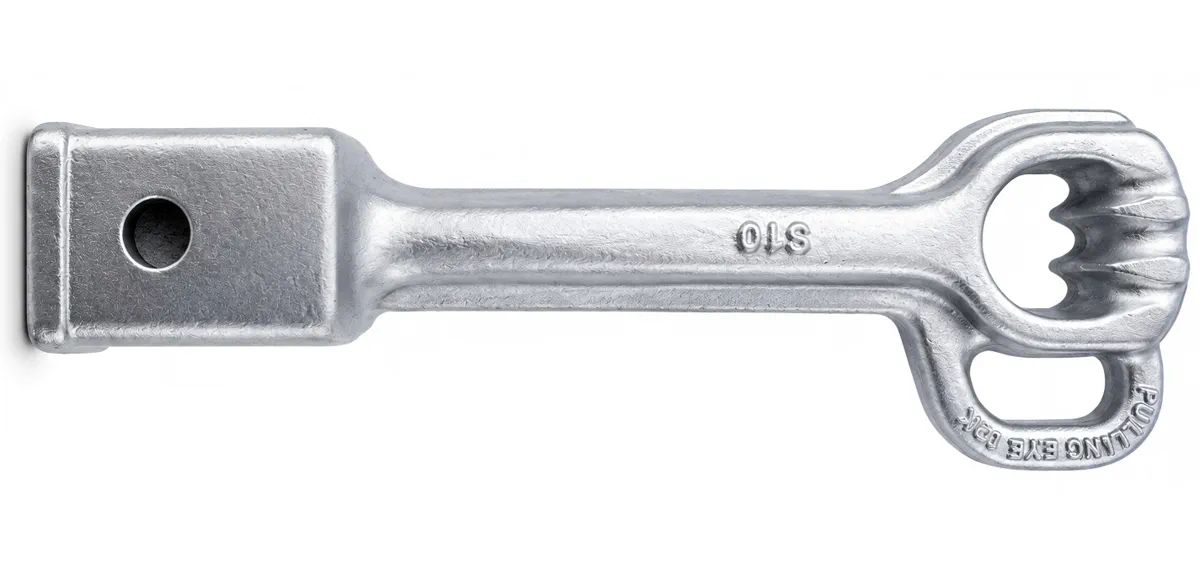
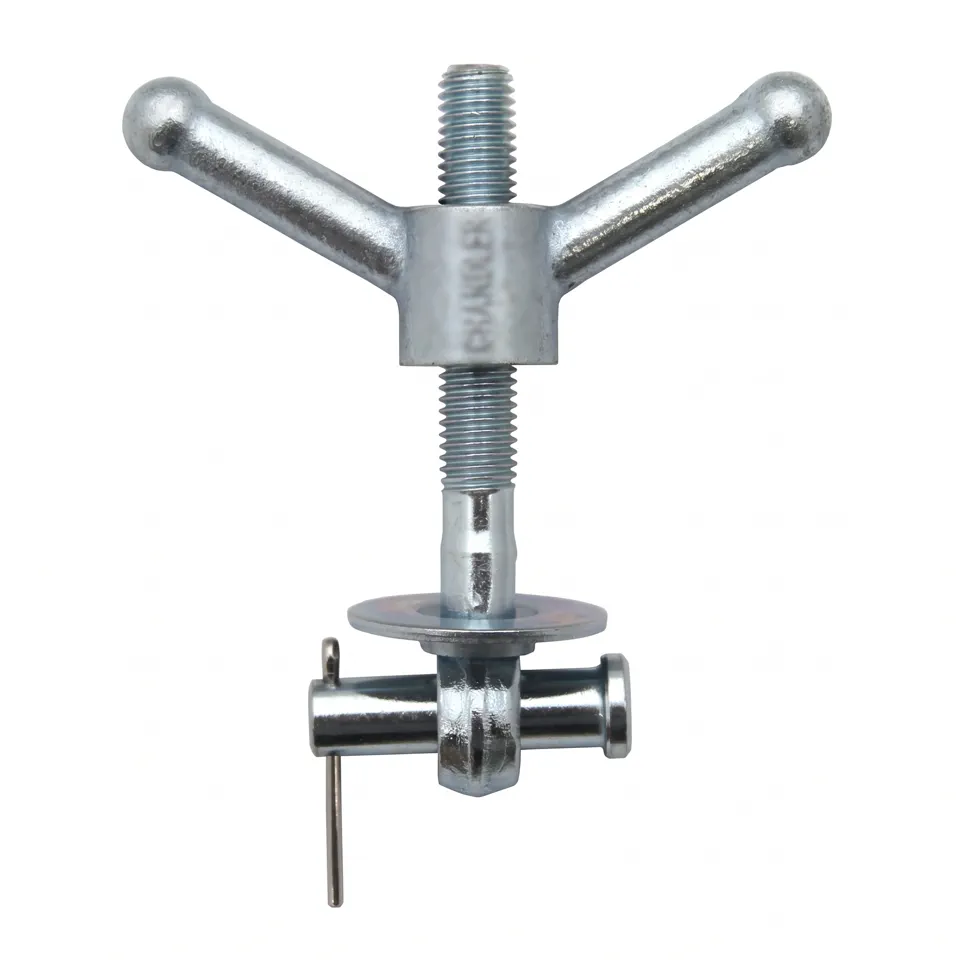
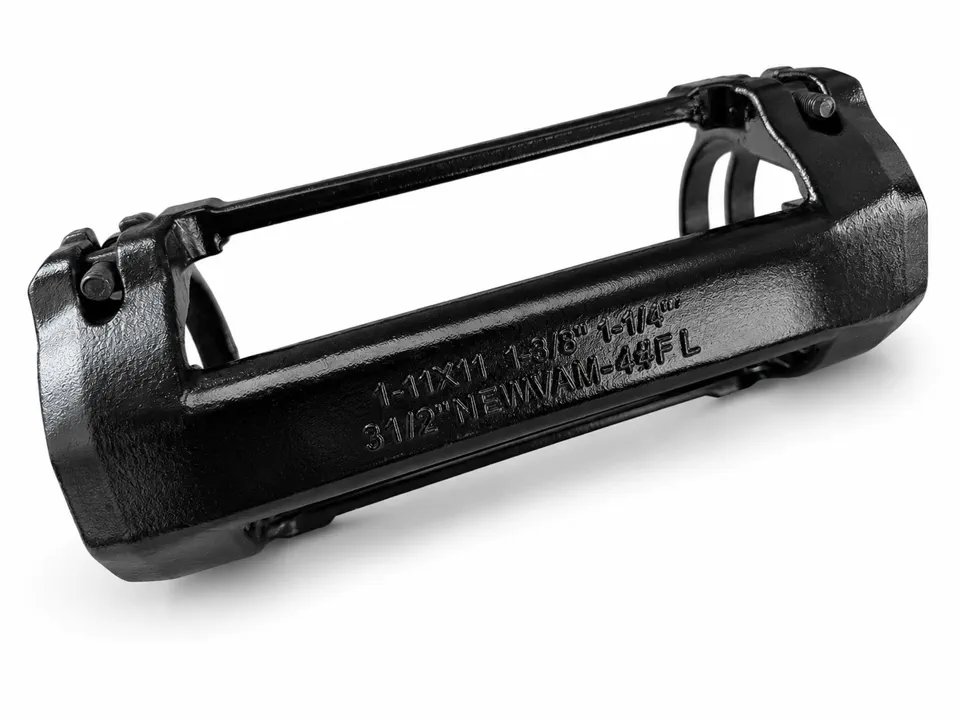
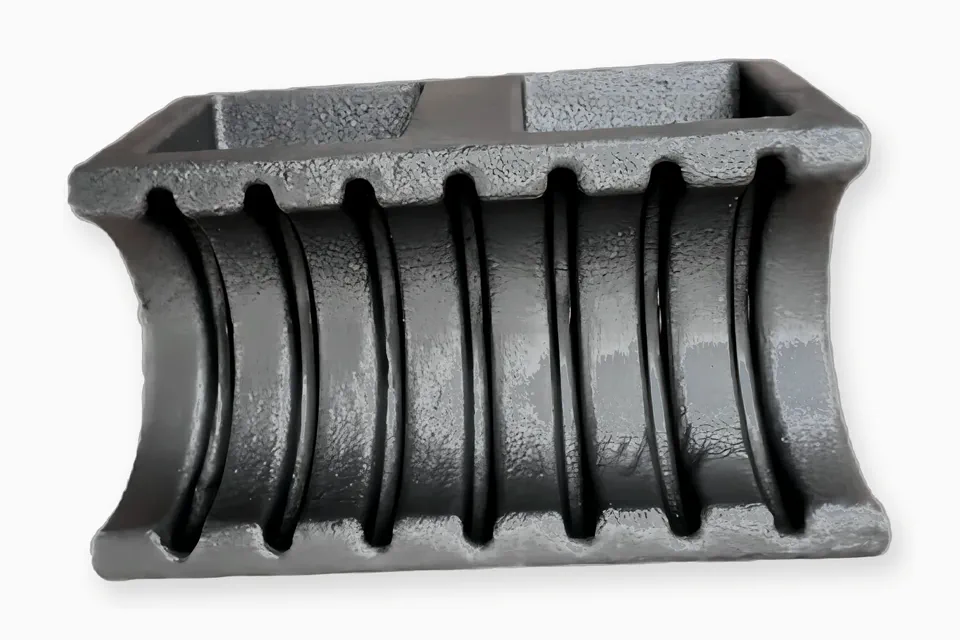
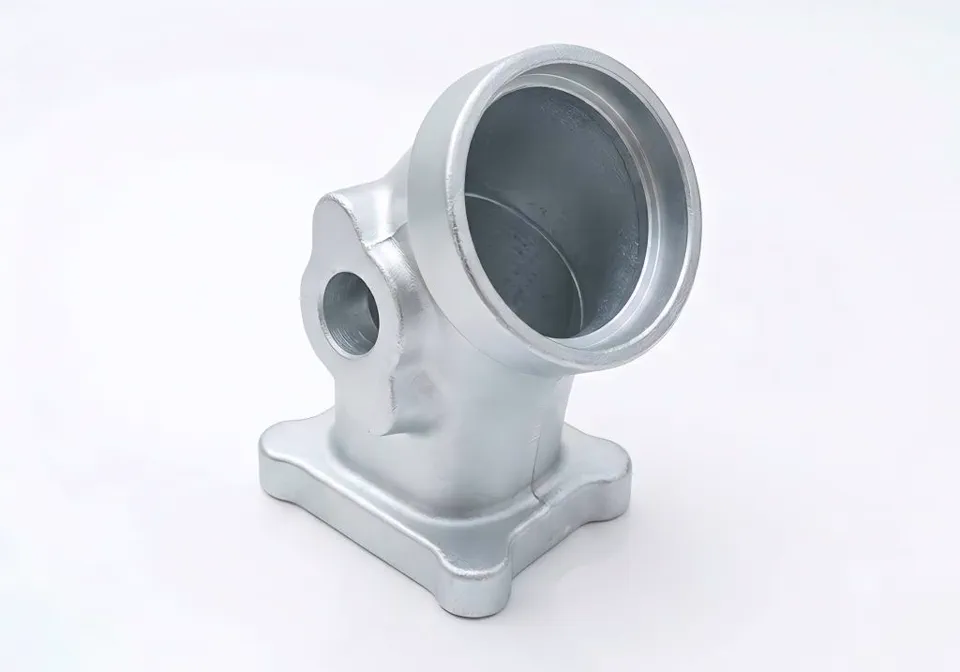
These first-party photos show component types JK Casting can review for drawing-based or sample-based manufacture. They do not claim that every photographed part was reverse-engineered from a worn sample; each replacement still requires confirmed material, dimensions, use conditions, quantity, and inspection points.
Supplier-fit decisions
Replacement metal parts are a good fit when the buyer has enough evidence to define the part, but the item is discontinued, damaged, non-catalog, or needs a supplier to review the process route.
Replacement review matrix
We can review photos and worn samples, but final scope still needs confirmed dimensions, material, tolerance, use conditions, and inspection points.
Cracks, wear zones, broken lugs, deformed holes, missing threads, or corrosion notes help us understand where the replacement part must be controlled.
For replacement castings, the casting route and any required machining, heat treatment, coating, and inspection are reviewed together. The quotation confirms the accepted manufacturing scope.
Packing, marking, protection against rust, and batch inspection requirements are reviewed for overseas replacement-part supply.
Replacement RFQ package
Clear files prevent false pricing. A replacement RFQ should show the part geometry, damaged or worn areas, quantity expectation, material target, and any fit surfaces that cannot change.
Replacement Parts FAQ
Yes, an initial review can start from worn samples, photos, dimensions, material notes, quantity, and application details. A final quotation depends on confirmed technical requirements.
Good-fit inquiries include non-standard metal spares, discontinued castings, machined repair parts, brackets, covers, guards, housings, supports, bushings, pins, clamp bodies, and small or medium-batch parts that can be reviewed from real requirements.
This page is focused on drawing-based or sample-based replacement metal parts. If the item is a standard catalog part with no custom requirement, a stock distributor may be a better route.
Please send drawings or 3D files if available, sample or worn-part photos, material grade, quantity, critical dimensions, surface treatment, application environment, and inspection requirements.
Drawings, photos, material, quantity, dimensions, surface treatment, and application notes are enough for an initial fit review.