2D drawingPDF, DWG, DXF
Drawing-Based Metal Parts
Custom Metal Castings and Machined Parts Made to Drawing
Send a 2D drawing, 3D file, sample, or worn part for custom cast metal parts made to your requirements. JK Casting reviews manufacturability, material, machining, surface treatment, inspection, and packing, then quotes the practical production scope. The casting factory has been operating since 2002.
2D & 3D files
Physical samples
Low-to-mid volume
Inspection records
Best RFQ input
Send what you have.
Drawing
STEP
Sample
Photos

Geometry, material, tolerances, machining stock, finish, quantity, and critical inspection points.
Quotation inputs
Start with the information already available.
3D modelSTEP, STP, IGES
Sample or photosNew or worn part
Project detailsMaterial, qty, finish
Flexible starting point
Three practical ways to begin a custom metal part project.
You do not need a complete sourcing package before contacting us. The first review identifies missing information and the fastest route to quotation.
Drawing or 3D model
We review geometry, material callouts, tolerances, machining stock, surface finish, and critical dimensions.
Physical sample or worn part
Useful for replacement parts, obsolete components, maintenance projects, and situations where original drawings are unavailable.
Performance requirements
Share load, fit, service environment, target life, installation constraints, annual usage, and inspection expectations.
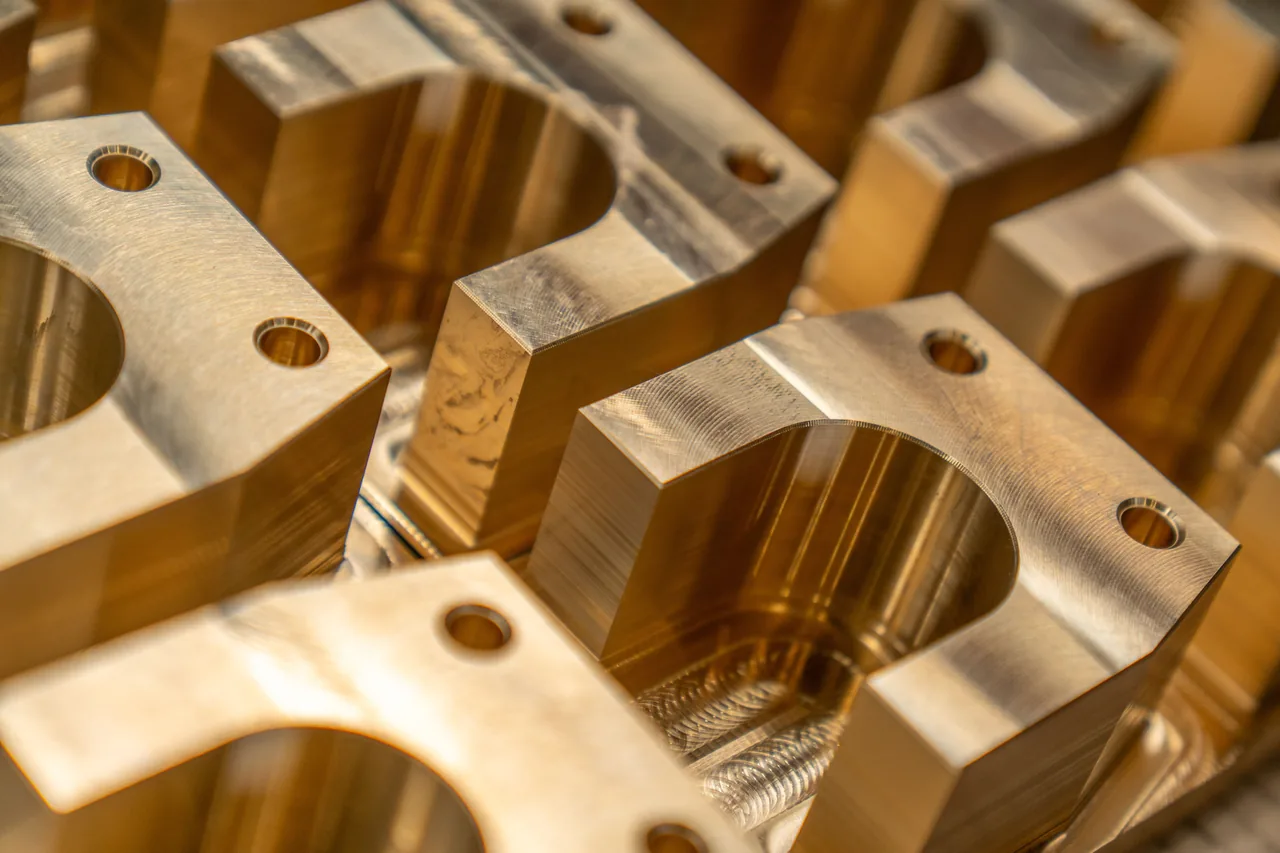
One controlled supply route
Custom metal casting services: one supplier for the complete drawing-based scope.
We review casting, machining allowances, functional datums, finish, and inspection together. The factory runs sand casting and lost-wax investment casting. The complete process, inspection plan, and finished-part delivery requirements are agreed in the quotation. Application guides cover heavy equipment castings, power line fitting components, and industrial machinery parts.
Carbon steel, ductile iron and grey iron; stainless and alloy steel reviewed part by part
CNC turning, milling, drilling, boring, and tapping
Painting, powder coating, plating, and galvanizing arranged to the agreed specification
Dimensional inspection and project-specific records
2D / 3DDrawing and model review
1 sourceCoordinated production route
RFQ-readyClear scope before pricing
Typical parts
Typical parts made to drawing.
We cast and machine parts defined by your drawing or sample, not picked from a catalog. Typical work across our five main application areas:
Power line hardware
Clevises, clamp bodies, shackles, links and brackets, galvanized to the agreed specification.
Oilfield equipment
Cast bodies for cable protectors and cross-coupling clamps, raw or with the specified machining.
Agricultural machinery
Support and hanger brackets, hubs, housings and clamps.
Construction equipment
Housings, hubs, mounts, linkage parts and bucket teeth.
Industrial machinery
Gearbox and reducer housings, bearing housings, covers and bases.
Welded fabrications and stamped parts can be ordered on their own or together with castings.
Quotation workflow
How a drawing-based project moves from RFQ to shipment.
A defined review sequence keeps quotation assumptions visible and reduces production changes after order confirmation.
Receive files
Drawing, model, sample photos, material, quantity, and application details.
Review feasibility
Process route, draft, wall thickness, machining access, tolerances, and finish.
Confirm scope
Open questions, drawing revisions, inspection points, packaging, and commercial terms.
Produce & inspect
Tooling, sample approval, batch production, machining, surface treatment, and checks.
Pack & ship
Part protection, labeling, export packing, inspection documents, and dispatch.
Key principle: quote the confirmed scope, not assumptions.
Any missing tolerance, coating, test, or packaging requirement should be clarified before order placement.
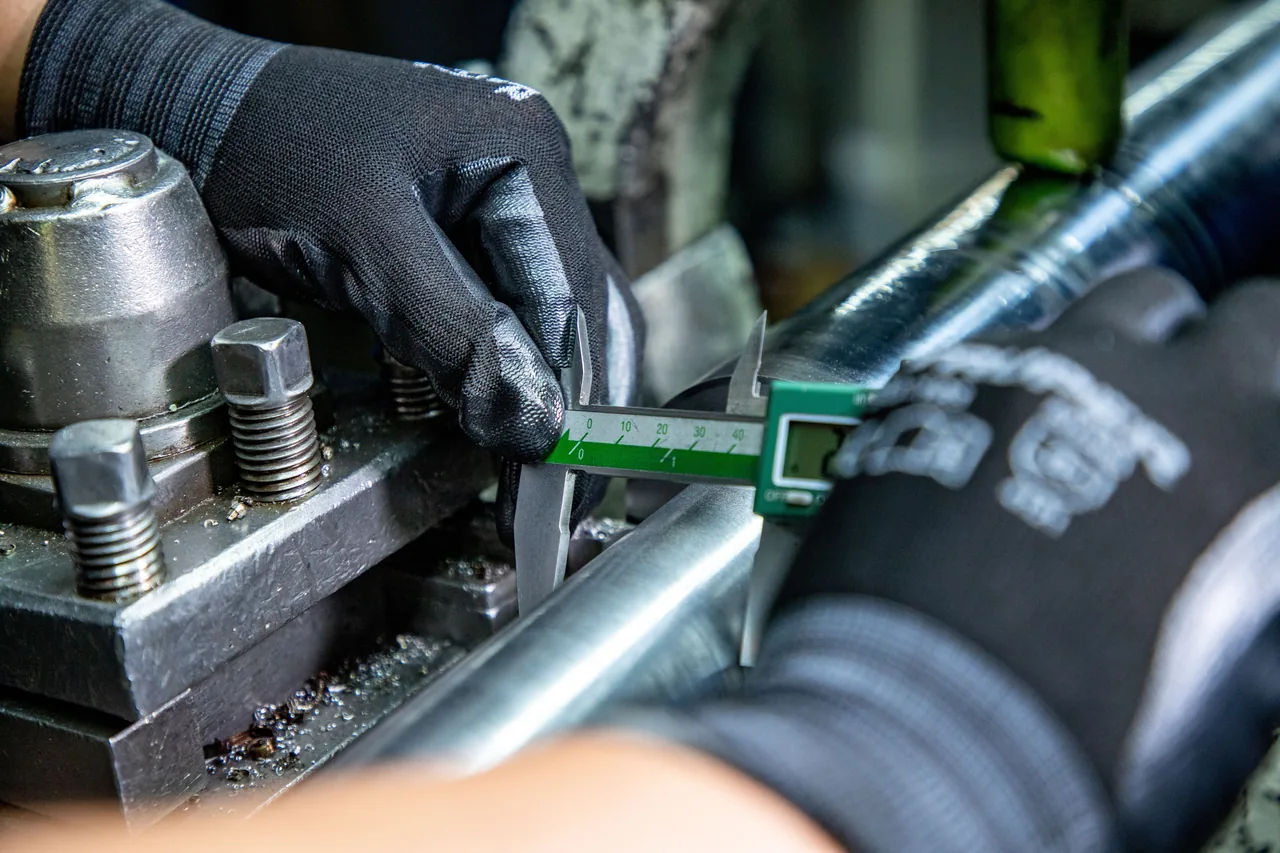
Drawing-led inspection
Inspection follows the drawing and the part's real function.
We identify critical dimensions and inspection requirements during quotation, then match the check method to the feature—rather than treating every dimension the same.
Critical dimensions
Machined bores & fits
Thread and hole position
Material verification
Surface treatment
Packaging protection
Process and tolerance
Process, material and tolerance at a glance.
| Sand casting | Lost-wax investment casting (precision casting) | |
|---|---|---|
| Often chosen for | Larger parts, heavier sections, housings, hubs and brackets | Smaller parts with finer detail, thinner walls and a smoother as-cast surface |
| Typical as-cast tolerance | ISO 8062 CT8–CT10, depending on geometry | ISO 8062 CT5–CT7, depending on geometry |
Regular materials are carbon steel, ductile iron and grey iron; stainless and alloy steel are reviewed part by part. Machined features are finished to the drawing, commonly within ±0.02–0.05 mm depending on the feature. There is no fixed upper part-weight limit; each part is reviewed from its drawing. Grade equivalents are listed on the material selection page; the grade on your drawing governs.
Supply scope
What we supply, and what we do not.
We supply
- Sand castings and lost-wax investment castings made to your drawing or sample
- CNC machining done in-house on the castings we supply
- Welded fabrications and stamped parts, on their own or with castings
- Heat treatment, painting and galvanizing arranged to the agreed specification
- Dimensional inspection in-house, with the records agreed for your order
We do not supply
- Die castings
- Machining-only work on castings or stock supplied by others
- Aluminium or bronze as regular materials
- Catalog or stock parts; every part is quoted from its drawing
Typical project fit
Built around the drawing—not a catalog number.
This service is designed for parts that require review, production planning, and controlled manufacturing rather than off-the-shelf purchasing.
New custom component
For machinery builders developing a new cast or machined component from approved engineering data.
- Prototype or sample stage
- Drawing revision support
- Repeat production planning
Replacement or obsolete part
For worn, unavailable, or discontinued metal components where a sample, measurements, or partial documentation exists.
- Physical sample review
- Low-volume requirements
- Functional replacement focus
Cast + machined assembly part
For projects that need coordinated casting, machining, treatment, inspection, and export packing.
- Single RFQ scope
- Multiple process control
- Project-specific documentation
FAQ
Questions before you send a drawing.
Can you quote from a sample if I have no drawing?
Yes. Send the sample or clear photos with key dimensions, the material if known, the quantity and how the part is used. A production drawing is agreed before release to production.
Which casting process will you use for my part?
Sand casting or lost-wax investment casting. The choice depends on part size, wall thickness, detail, as-cast tolerance, material and quantity, and it is stated in the quotation.
Can you supply the part fully machined?
Yes. CNC turning, milling, drilling, boring and tapping are done in-house on the castings we supply. Machined features are finished to the drawing, commonly within ±0.02–0.05 mm depending on the feature. We do not take machining-only orders for castings supplied by others.
Can one custom metal casting supplier handle casting, machining and finishing?
Yes. JK Casting casts the part by sand casting or lost-wax investment casting, machines it in-house, and arranges painting, powder coating, plating or galvanizing to the agreed specification. Standalone machining of castings from other foundries is not offered.
What inspection records can you provide?
Dimensional reports, material reports and hardness results can be agreed per order. Inspection equipment is in-house, including calipers, micrometers, height gauges, bore gauges, thread gauges, functional fixtures and a CMM. Our ISO 9001:2015 certificate covers processing of steel castings.
Send one drawing. We'll tell you what is needed next.
Share your files, sample photos, material, quantity, application, and critical requirements. The first review will identify the quotation scope and any information that still needs confirmation.