
CI
Ductile & gray iron
Regular material families for suitable housings, hubs, and supports. Specify ductile or grey iron, grade, standard, mechanical properties, and delivery condition.
Carbon steel, ductile iron, and grey iron are our regular material families. We confirm the exact grade, condition, casting route, and required documents against your drawing. Stainless steel, alloy steel, and other special materials need separate feasibility confirmation.
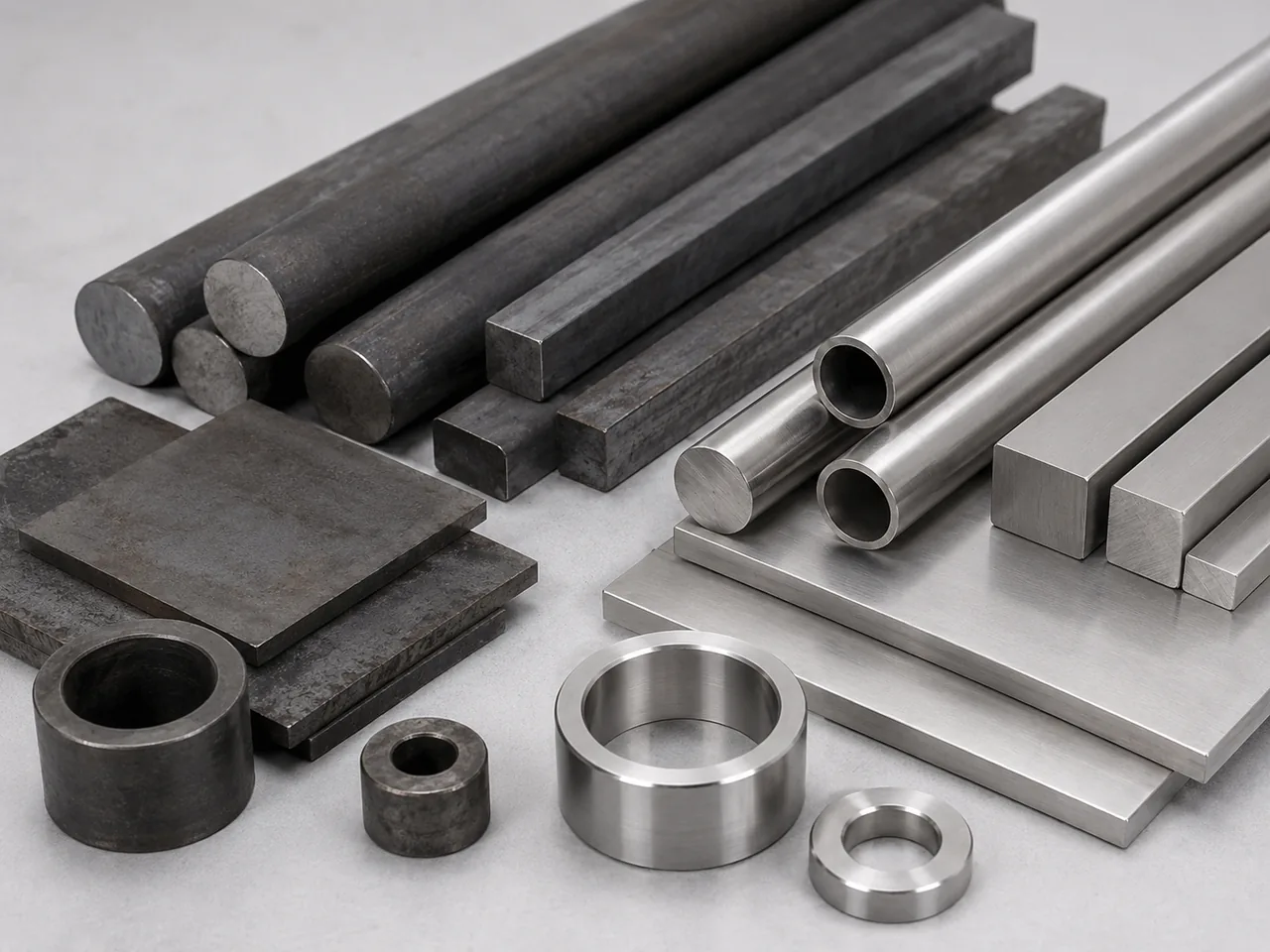
The final grade should match the drawing, service condition, casting route, heat treatment or surface finish, and required inspection documents. For other materials, the production route and verification requirements are assessed before quotation.
Regular material families for suitable housings, hubs, and supports. Specify ductile or grey iron, grade, standard, mechanical properties, and delivery condition.
A regular material family for suitable drawing-based cast components. Define the cast grade and its governing standard rather than relying on a general steel description.
Part-specific confirmation is required. Send the grade, heat treatment, properties, section thickness, and test requirements before selecting this route.
Part-specific confirmation is required. Include the exact cast grade, service environment, delivery condition, and required qualification documents.
Outside the regular steel-and-iron casting range shown here. Send the drawing for a separate route assessment; availability is not implied by this material category.
Outside the regular steel-and-iron casting range shown here. Any quotation requires confirmation of the alloy, production route, and supplier responsibilities.
Similar grade names are not an automatic approval for substitution. The RFQ needs the standard, product form, heat-treatment condition, and acceptance requirements.
Copy the exact designation and standard revision from the drawing. State whether the requirement is for a casting, forging, or wrought material.
Include heat treatment, hardness range, test location, and any mechanical-property requirements.
Specify the requested certificate or report type, including EN 10204 3.1 if required. The issuer, covered results, and traceability are confirmed with the quotation.
If an alternative grade is proposed, confirm it with the buyer before production. Similar names or cross-reference tables do not replace that approval.
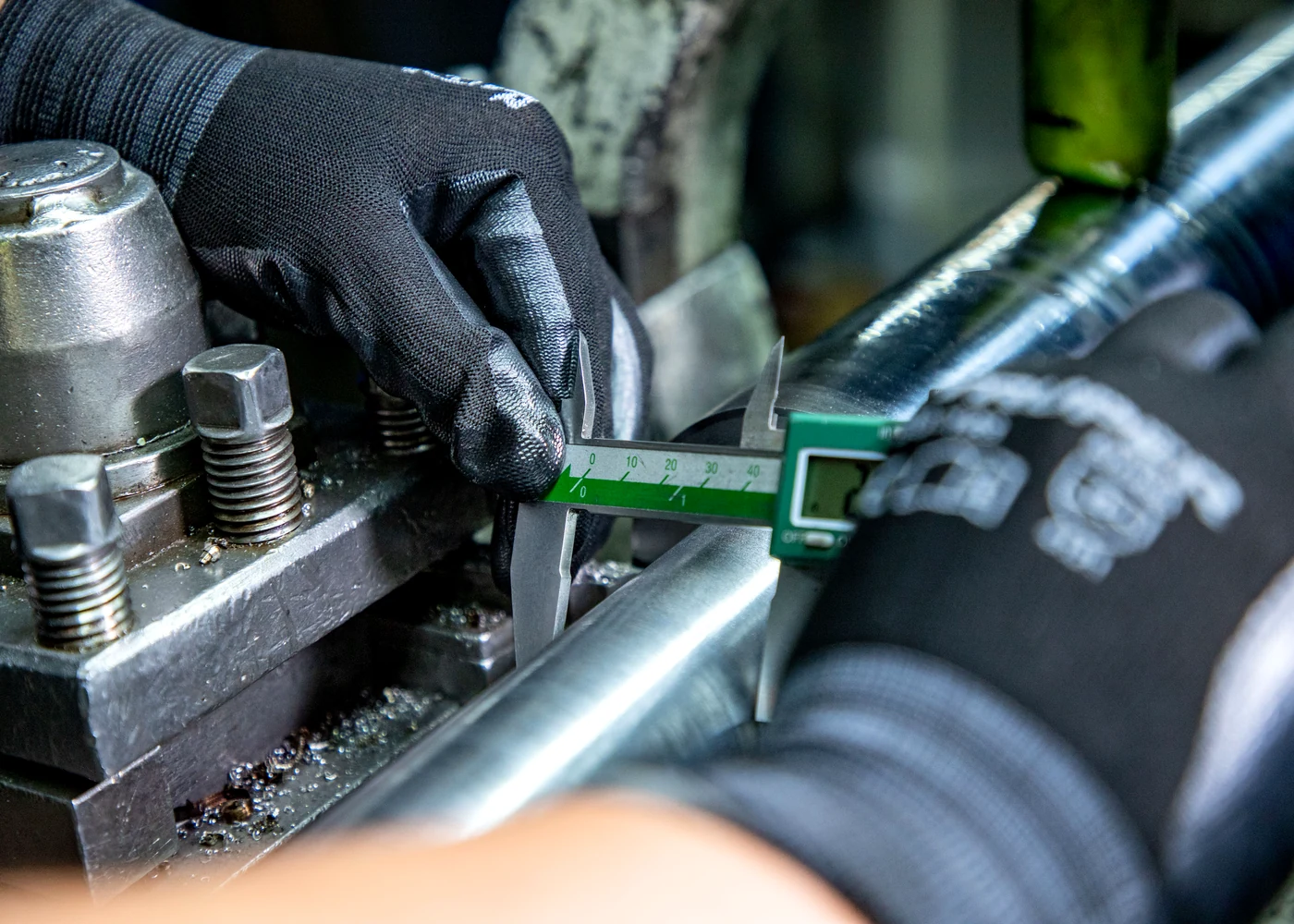
Material selection is strongest when the engineering inputs describe how the part fails, not only what grade was used previously.
Load, motion, exposure, temperature, wear, and failure history.
Balance properties, casting behavior, machining, sourcing, and cost.
Confirm the specified grade and condition. Any proposed substitution needs buyer approval against the applicable standard.
Review certificates, hardness, mechanical tests, or other required records.
Document the technical basis so purchasing, production, inspection, and shipment use the same requirements.
Document the primary grade and whether equivalent regional standards are allowed.
Normalize, anneal, quench and temper, solution treat, or other specified condition.
Define target range, conversion limits, sampling, and measurement location.
Clarify chemistry, mechanical properties, heat number traceability, and third-party testing needs.
Use these answers as a starting point. Final acceptance criteria should be tied to the drawing, purchase order, and approved technical record.
Share drawings, models, samples, quantities, material requirements, finish, inspection scope, and target delivery. We will review the evidence and identify the next technical step.