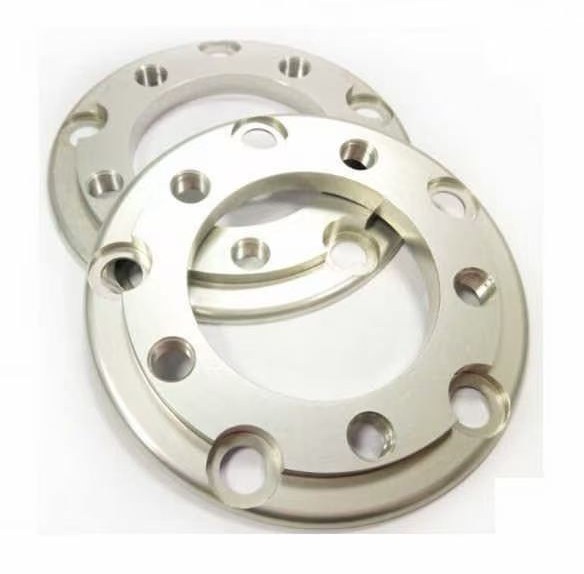
Custom castings from your drawings or samples. Send your requirements for a quotation. Request a Quote
Jiangkai Casting logo JK Casting Drawing-based OEM metal parts

Machined Castings

Machined Castings: Casting and CNC Machining from One Supplier

JK Casting supplies raw castings and precision machined castings from Gaomi, including cast iron CNC machined parts and machined steel castings. The casting factory has been operating since 2002. Choose an as-cast quotation for your machining line or a finished-part quotation covering the machining on your drawing.

Send the finished drawing, material and order quantities. We review the production route, machining allowance, critical fits and inspection before quotation.

Product-gallery reference of a flanged component with a stepped bore and mounting holes
Process supportCasting · machining · surface treatment · dimensional inspection
Machined boresMounting facesThreaded holesInspection plan
02

Machining allowance

Drawings are checked for stock allowance, datum surfaces, tolerance bands, and features that must stay stable after casting and finishing.

03

Inspection before shipment

Critical dimensions, thread checks, hole patterns, surface finish, and packing protection can be defined as shipment checkpoints.

Where this route fits

Useful when geometry is cast but function depends on machined accuracy.

The cast blank provides the main geometry; CNC machining finishes the bores, faces and threads needed for assembly or sealing. Define those interfaces on the finished drawing.

When machined castings are useful

  • Housings with machined bores, seats, or sealing surfaces
  • Bases and frames with mounting holes or fixture faces
  • Flanges, covers, brackets, pump parts, and valve parts with fit requirements
  • OEM components that need casting and machining from one coordinated supplier

Critical machined surfaces

  • Bores, counterbores, bearing seats, and shaft openings
  • Flat mounting faces, gasket faces, and sealing lands
  • Threaded holes, bolt patterns, slots, and locating pins
  • Datum features used for downstream assembly or inspection

Compare the supply scope

Raw casting or finished machined part?

Plan casting and machining as one finished-part process. Use the same part number, drawing revision, material and quantities when requesting both options. The key difference is which features JK supplies complete and which operations remain with your machining team.

The finished and raw drawings should share revision control, functional references, stock assumptions, treatment condition, and inspection gates so each stage protects the next.

For iron components, start with the ductile and gray iron material requirements. The casting route and achievable tolerances are confirmed for your drawing.

Raw castings for your machining line

  • Provide the casting drawing, or mark the stock to retain on the finished drawing.
  • Identify locating surfaces for your fixtures and dimensions to inspect before machining.
  • State the material condition, cleaning, preservation and checks required at delivery.

Castings with specified machining

  • Mark the finished bores, faces, threads, datum references and surface finishes.
  • Identify features to inspect after coating or treatment, including any masking needs.
  • Agree the sample inspection record and protection for finished surfaces in transit.

Manufacturing review

What must be settled before machining a casting.

Material and casting route

Material grade, casting route, heat treatment, and expected surface condition are reviewed against part size, geometry, and working environment.

Machining allowance

Extra stock must be planned on the right features so machining can remove casting variation without weakening the finished part.

Tolerance and datum control

Drawings should identify which dimensions are functional, which surfaces act as datums, and which tolerances need inspection reporting.

Surface treatment sequence

Painting, galvanizing, powder coating, plating, or anti-rust protection may change masking, finishing, packing, and inspection requirements.

Machined casting RFQ package

Send the drawing details that affect both casting and machining.

A good RFQ separates rough cast geometry from finished machined features. Use the housing and interface worksheet to record bearing fits, datums and sealing faces. That helps us judge the route, machining sequence, dimensional inspection plan, and export packing before quoting.

  • 2D drawings or 3D files with marked machined features
  • Material grade, heat treatment, surface treatment, and quantity
  • Critical tolerances, datum faces, bores, holes, and thread details
  • Assembly context, mating parts, or fit requirements
  • Inspection report needs and first-sample approval requirements
  • Packing, rust protection, marking, and delivery requirements

Machining scope

Match each machining operation to the feature it must control.

A process plan starts with functional datums and inspection access, then assigns the required operations. Our in-house machining completes drawing-based casting orders. The quotation covers the casting and required machining together.

Turning

Control diameters, shoulders, grooves, faces, and concentric features around a stable rotational datum.

Milling

Machine mounting faces, slots, pockets, profiles, and hole patterns from defined setup references.

Boring

Finish bearing seats, aligned bores, sealing diameters, and other internal features that control fit.

Drilling and threading

Define hole position, depth, thread specification, entry condition, and inspection before production.

Datum & tolerance review

Define datums, tolerances, and measurement before cutting starts.

The machining plan should show how the part is located, which features share a setup, where distortion may occur, and how each critical requirement will be inspected.

  • Functional datums and setup sequence
  • Bore, shaft, and concentric fit requirements
  • Flatness, parallelism, and perpendicularity
  • Thread specification, position, and depth
  • Surface finish on functional interfaces
  • Gauge, report, and sampling requirements

Machined Castings FAQ

Short answers before sending a casting and machining RFQ.

Can one RFQ include both casting and machining?

Yes. Send the full drawing package and mark the machined surfaces, tolerances, and inspection requirements so the casting and machining route can be reviewed together.

What details affect the machined casting price?

Material, casting weight, machining allowance, tolerance level, number of setups, fixture difficulty, surface treatment, inspection reports, packing, quantity, and sample approval all affect quotation.

Can you review a sample before a complete drawing is available?

Photos and samples can start the discussion, but quotation needs confirmed dimensions, material, quantity, critical features, and inspection expectations.

Do you offer cast iron machining services?

Yes, for the castings we supply: gray iron, ductile iron and steel castings can be quoted with CNC turning, milling, boring and drilling. Standalone machining of customer-supplied stock or third-party castings is outside our scope. The machining route, achievable tolerances, and inspection requirements are confirmed for each part before quotation.

How do you review machining tolerances?

We review each tolerance with its datum, feature size, tool access, setup sequence, material condition, and measurement method.

When does an integrated route make sense?

It is useful when raw casting geometry, heat treatment, machining stock, datums, finishing, and inspection affect one another.

How are casting changes carried into machining?

Raw and finished drawings, tooling corrections, stock, fixtures, and inspection plans should remain linked by controlled revisions.

Do you supply CNC-machined ductile iron castings for equipment makers?

Yes. Ductile iron castings in grades QT400 to QT600 (QT400-15, QT450-10, QT500-7, QT600-3 and their EN-GJS and ASTM A536 equivalents) are sand cast and CNC-machined to the drawing: turning, milling, boring and drilling. Raw-casting and machined-part prices can be quoted separately.
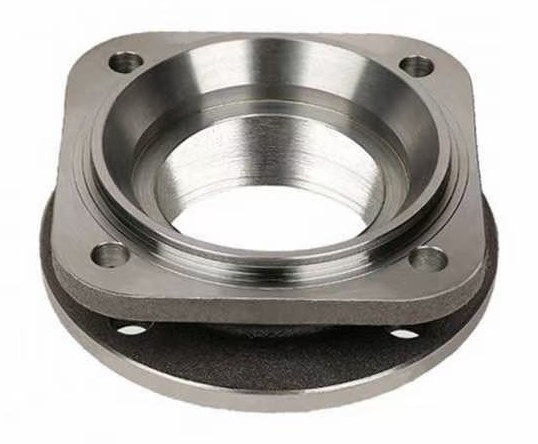
Send machined casting drawings.

Send drawings, 3D files, material, quantity, machined features, tolerances, surface treatment, and inspection expectations for a practical review.