Levers and linkage shapes
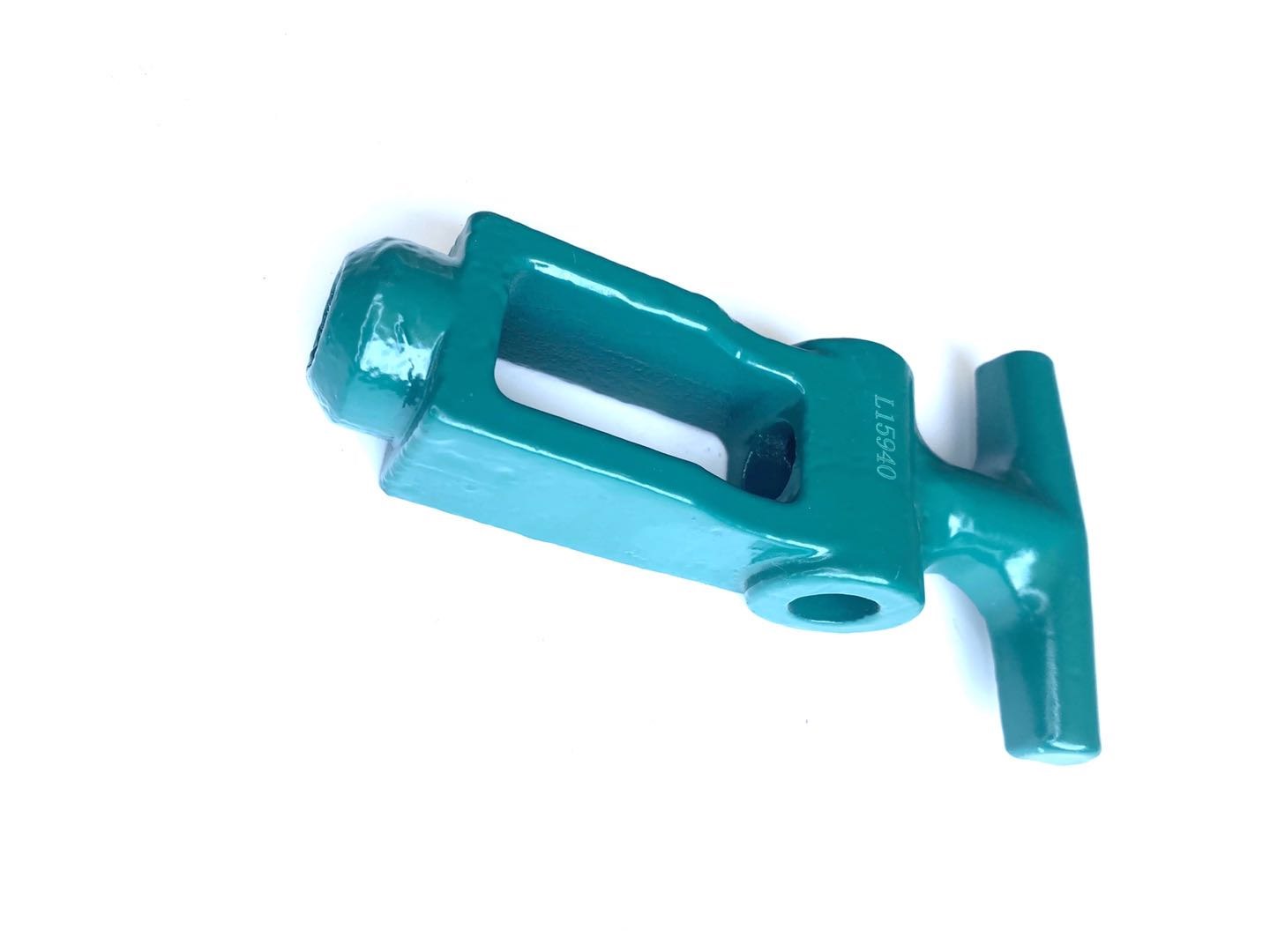
Curved profiles and changing sections, with pin locations and mating clearances defined on the drawing.
Industrial lost-wax casting · Gaomi, Shandong
Lost wax casting services for custom steel parts: brackets, levers, clamp bodies and housing-style parts. JK Casting manufactures to your drawing, supplying the casting alone or with the machining your assembly needs.
Our two casting processes are investment casting (lost-wax) and sand casting. We compare both against the part, not just its name.
Start with the component
Investment casting is worth evaluating when a steel part combines ribs, bosses, curved profiles or several functional features in one shape. Critical bores, threads and mating faces can be finished after casting; the drawing separates as-cast surfaces from machined interfaces.
Curved profiles and changing sections, with pin locations and mating clearances defined on the drawing.
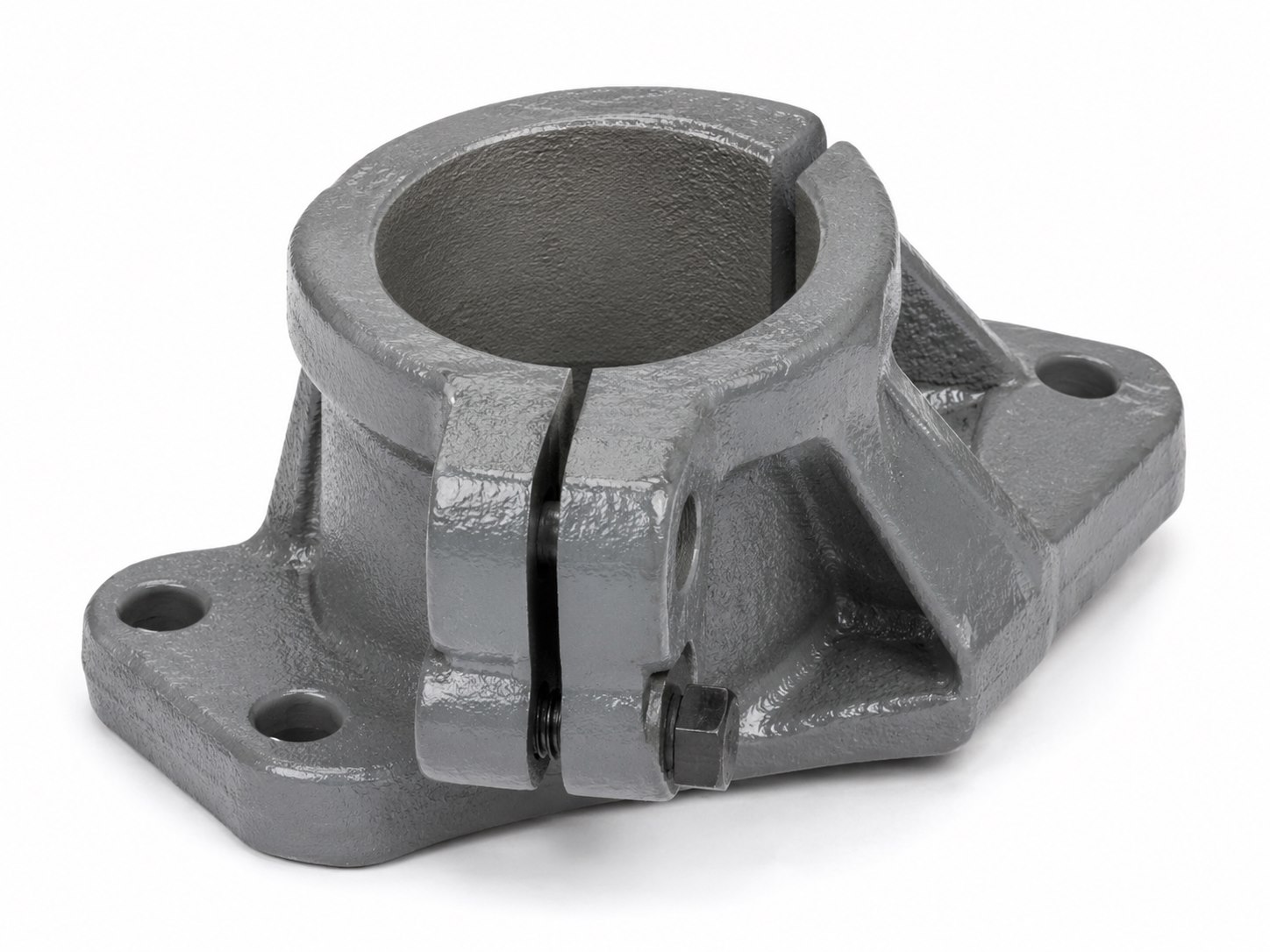
Ribs, a central bore and mounting faces brought together in a cast shape.
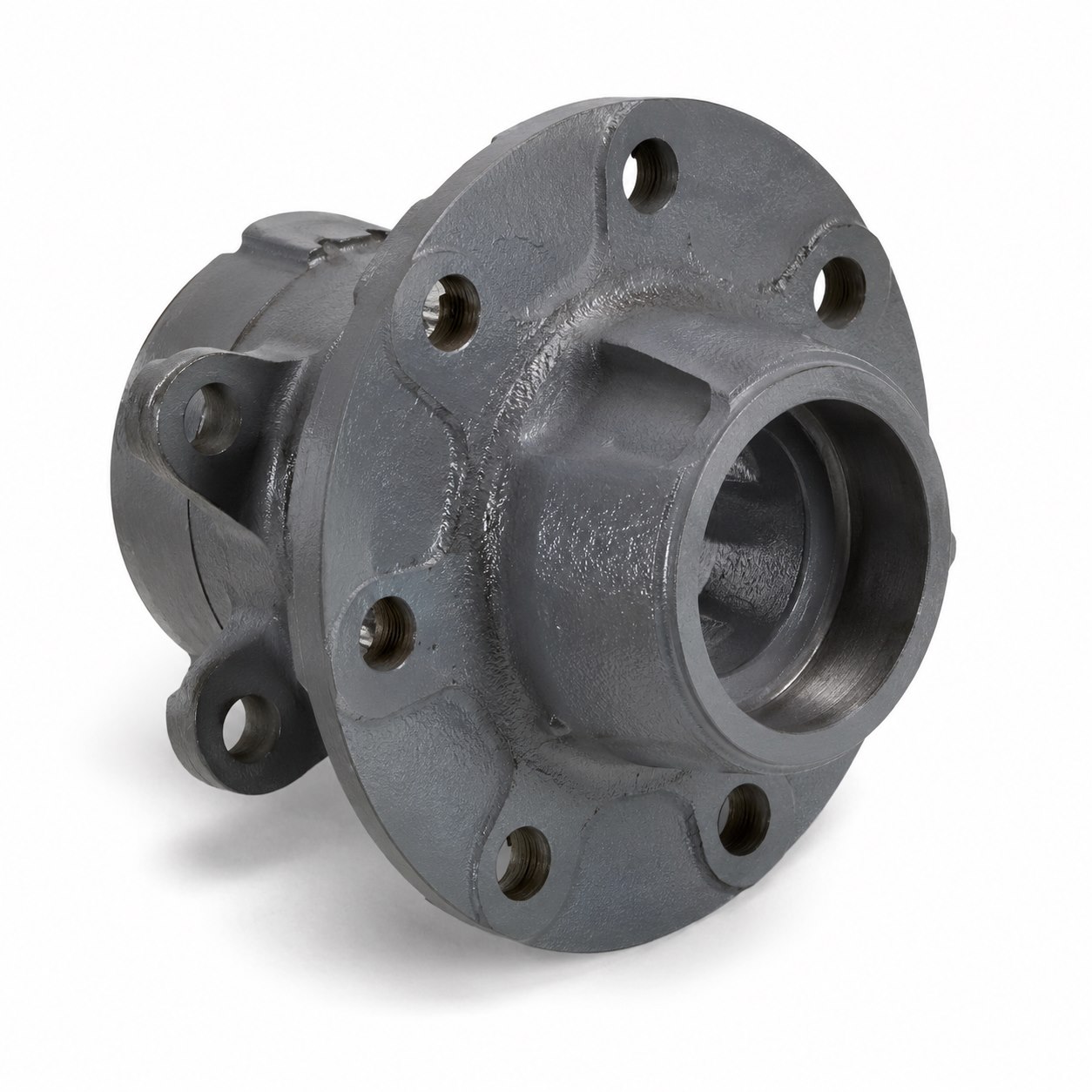
A shaped casting with bore alignment, flange holes and accessible machining surfaces.
Photographs are existing component examples, not a stock catalogue or certification of a particular alloy or casting process. For related applications, see agricultural machinery, construction equipment and power-line hardware.
The manufacturing route
The defining step is a wax pattern inside a ceramic shell. The wax is removed before pouring; after solidification, the shell is broken away to release the casting.
Produce the wax shapes and assemble them onto a gating system for pouring.
Build and dry refractory layers around the wax assembly, then remove the wax and prepare the shell for casting.
Pour the specified metal into the prepared shell and allow it to solidify.
Break away the shell, separate the castings from the gating system and clean the parts.
Complete the agreed treatment, machining and inspection for the required delivery condition.
Process reference: Investment Casting Institute: shell building. This explains the process; order-specific tooling and inspection follow the agreed drawing.
Two processes at JK Casting
Investment casting (lost wax) and sand casting are the two processes. The route is selected from the drawing, material and quantity. The sand vs investment casting buyer guide compares tolerance, surface, tooling and machining in more detail.
| Decision point | Investment / lost-wax casting | Sand casting |
|---|---|---|
| Mold-making method | Build a ceramic shell around wax patterns; remove the wax before pouring. | Sand casting. The process for the part is confirmed from the drawing. |
| Shape to assess | Detailed profiles, ribs, bosses and integrated features; review filling and finishing access. | Geometry that suits pattern withdrawal, a parting line and any required cores. |
| Finished dimensions | Separate cast surfaces from machined fits, holes and datum faces. | Review draft, parting-line location and machining allowance with the same finished features. |
| Cost comparison | Include wax tooling, shell-making, metal, finishing, machining and batch demand. | Include pattern tooling, cores where needed, machining and batch demand. |
Neither process is automatically the lowest-cost or best-performing choice for every part. Send the drawing and expected repeat quantity so the quotation can identify the proposed route and included operations.
For carbon steel parts, define the grade, standard and required material condition. Use the carbon steel investment casting page for component families and purchasing requirements.
We can machine the specified bores, mounting faces, holes and threads on castings we supply. See machined casting supply; this is not a separate standalone CNC service.
Stainless steel and special alloys require part-specific confirmation. Grey and ductile iron castings are reviewed separately, not automatically assigned to the steel investment-casting route.
Know the supplier
JK Casting is Shandong Jiangkai Metal Products Co., Ltd., based in Gaomi, Shandong. Our factory has operated since 2002. Review the company information, certificate and inspection photographs alongside the part you need to source.
Yes. Investment casting is also called lost-wax casting. A ceramic shell is built around a wax pattern; the wax is removed before molten metal is poured into the shell. Sand casting is the other process; the route is selected for the drawing.
Yes. We can supply raw castings or machine the specified bores, faces, holes and threads on castings we supply. The finished drawing and quotation define the delivery condition. Standalone machining of castings supplied by another foundry is outside this scope.
Carbon steel investment casting is a regular enquiry. Send the exact grade, standard and required condition. Stainless steel and special alloys require part-specific confirmation. Grey iron and ductile iron enquiries are reviewed separately; do not assume they use the same investment-casting route.
Send the first-batch quantity, expected repeat demand and required delivery date. Tooling, sampling, machining and inspection affect the quotation and schedule. Quantity acceptance and lead time are confirmed for the individual part rather than by a blanket promise.
Stainless steel is reviewed part by part against the drawing; the regular investment casting material is carbon steel. When a stainless part is accepted, it can be supplied raw or CNC-machined to the drawing. The grade, route and machining scope are confirmed in the quotation.
Send the drawing, material and first-batch quantity. Include the surfaces to machine and expected repeat demand; we will review the suitable casting route and quotation scope.