Hubs & Bearing Housings
Hubs and bearing housings with machined bores, flange faces, and bolt patterns. Define bearing fits, datums, and mating dimensions.
Construction Equipment Parts
JK Casting supplies drawing-based castings, with CNC machining as required, for construction machinery housings, hubs, mounts, brackets and linkage components. Send drawings, material, batch quantity, and expected annual demand for an OEM production, second-source, or aftermarket supply quotation.
Buyer Answer
JK Casting reviews custom construction and heavy equipment castings and machined parts for equipment OEMs, repair teams, and replacement-part buyers. Typical RFQs include hubs, bearing housings, gearbox and drivetrain housings, brackets, mounts, linkages, and covers made from buyer drawings, 3D files, samples, or worn-part evidence. Carbon steel, ductile iron, and grey iron are our regular material families. Material suitability and the manufacturing route are reviewed for each part; stainless steel and other special grades require separate feasibility confirmation. Every project is checked before quotation.
Bucket Tooth Geometry
Compare compact, medium and large general-purpose profiles with teeth for penetration, rock, soft ground and loading. Send your drawing or measured sample so we can review geometry, adapter fit and the intended duty together.
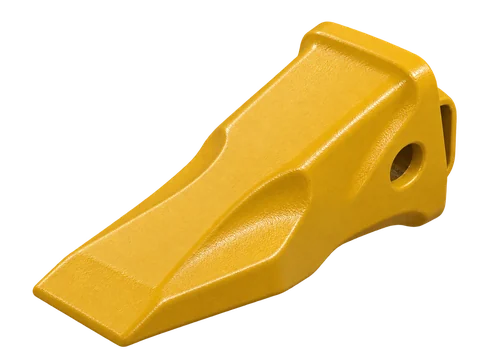
General digging and loading. Define the overall length, cutting-edge width and adapter fit for a compact tooth.
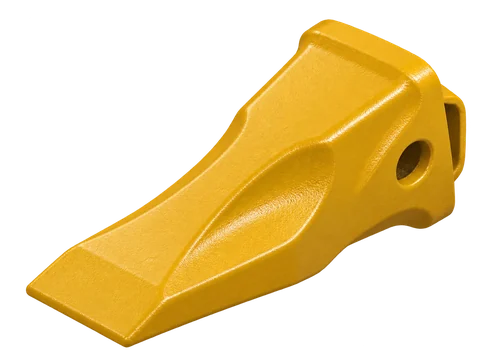
General earthmoving. Match tooth size to the adapter and bucket; include pin position and the required material.
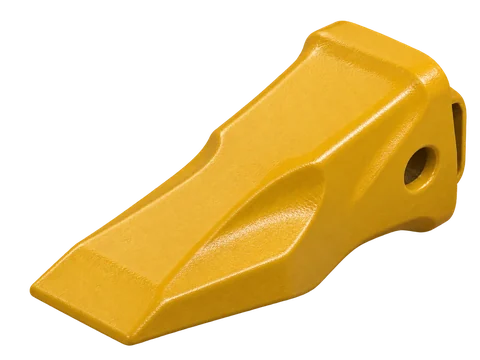
A larger general-purpose profile for digging and loading. Specify dimensions and duty; size alone does not establish rock suitability.
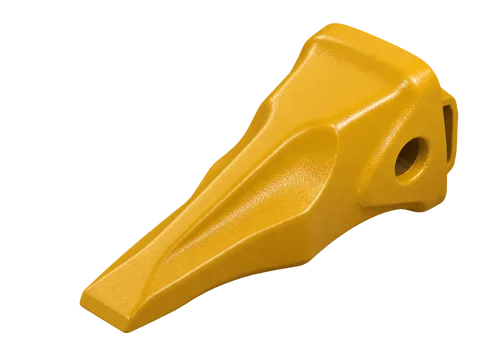
A narrow chisel profile for rock excavation. Define impact, abrasion, section thickness and the required heat treatment.
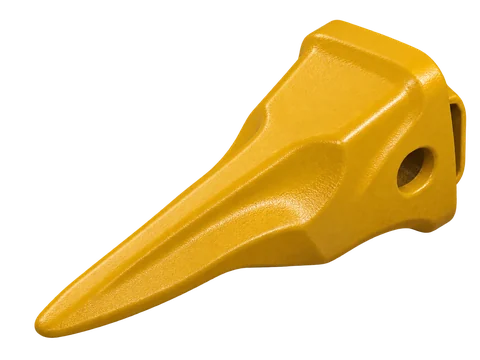
A pointed profile for penetration in compacted ground. Identify soil conditions, tooth projection and wear requirements.
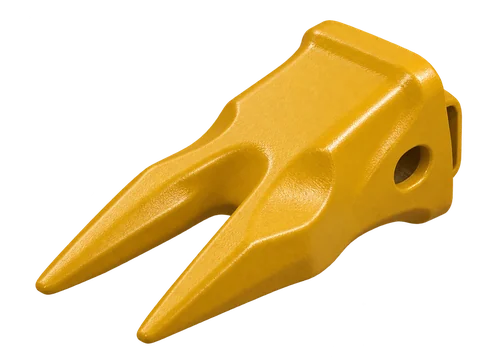
Twin points can provide corner clearance alongside single-point teeth. Confirm bucket position, point spacing and adapter fit.
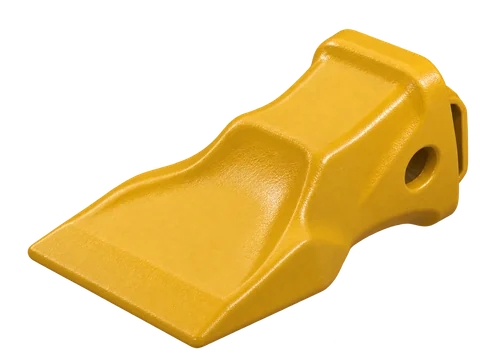
A broad edge for softer ground and a smoother trench floor. Check cutting width, adjacent-tooth spacing and side clearance.
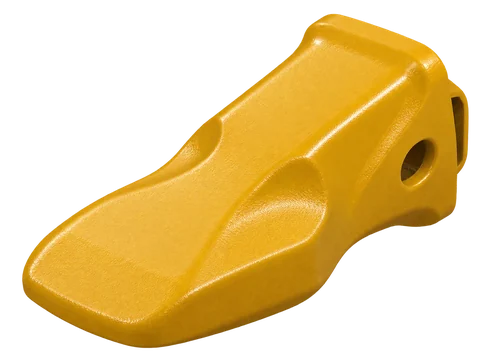
A broad, thick wear profile for abrasive loading. Identify loader duty, underside wear allowance and the bucket-floor interface.
AI-generated geometry illustrations, not photographs of supplied parts. Size classes are visual references, not a dimensional catalog. Confirm exact dimensions, model compatibility, material, hardness and inspection requirements for your project.
Planning a production batch or repeat supply? Include your drawing or measured sample photos, tooth and adapter references, overall dimensions, pin and pocket details, ground conditions, required material and heat treatment, quantity per part number, and expected annual demand. We confirm project feasibility and the inspection scope before quoting.
Discuss a Bucket Tooth ProjectTypical Components
Use the categories below as a starting point. Final geometry, material, machining, coating, and inspection follow your drawings and operating conditions.
Hubs and bearing housings with machined bores, flange faces, and bolt patterns. Define bearing fits, datums, and mating dimensions.
View bucket tooth profiles, alongside linkage parts, pivot bosses, and attachment components. Supply interface dimensions, load requirements, material, and wear-surface details.
Track guides, supports, and mounting brackets. Identify contact surfaces, hole positions, working clearance, and coating requirements.
Gearbox housings, covers, and carriers. Specify aligned bores, sealing faces, mounting datums, and the required supply condition.
Cylinder mounts, clevises, and support brackets. Provide pin interfaces, assembly clearance, load conditions, and inspection requirements.
Replacement castings for equipment rebuilders and parts suppliers. Include part references, sample measurements, batch size, and forecast repeat demand.
From Drawing to Delivery
Material grade, casting method, machining sequence, surface treatment, and inspection are reviewed together. The factory certificate is held by Gaomi Changrong Precision Casting. The quotation defines any required heat treatment, coating, tests, and accompanying records.
Review wall thickness, load paths, draft, and machining allowance through the sand and investment casting route. Material and the complete manufacturing scope are confirmed in the quotation.
Define bores, faces, threads, and mounting datums for CNC-machined castings, including which surfaces remain as-cast.
Agree coating, material records, packing, and the inspection and report scope before ordering, including the acceptance criteria for your part.
Faster Quotation
For production or recurring supply, include the initial batch, expected annual demand, and delivery schedule. These inputs help compare tooling, machining, inspection, and packing costs across the program.
Part number, equipment model, drawing revision, and whether the project is new OEM production, a second source, or aftermarket supply.
Material grade, load or duty cycle, fits and tolerances, and critical dimensions.
Casting, machining, coating, assembly requirements, initial batch, expected annual demand, and planned delivery batches.
Inspection points, dimensional reports, packaging, and any project-specific acceptance criteria.
Component and Interface Review
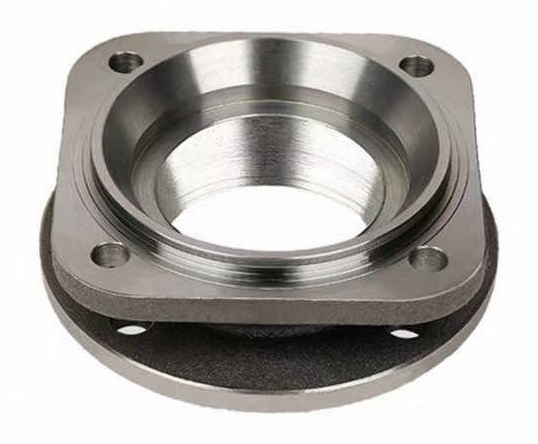
This component from our existing product gallery shows a stepped central opening, mounting holes, and machined faces. These are useful reference features when discussing a hub or housing for your equipment; the approved drawing establishes the actual application and fit.
View the component reference · Prepare the interface information · Send your drawing
Buyer FAQ
Direct answers for OEM, repair, and replacement-part buyers preparing a heavy equipment casting RFQ.
JK Casting reviews drawing-based hubs, bearing housings, gearbox and drivetrain housings, brackets, mounts, linkages, covers, and other cast and machined parts when buyers provide drawings, 3D files, samples, or technical requirements.
Yes. A replacement project can start from a physical sample, worn-part photos, equipment model, mating dimensions, and service information. Final feasibility depends on the available evidence, material, geometry, quantity, machining, and inspection requirements.
Send a 2D drawing or 3D model when available, plus material, quantity, critical dimensions, machining scope, coating, application or duty cycle, inspection requirements, and target delivery plan.
No. JK Casting supplies custom, drawing-based parts for OEM, repair, and replacement programs. Each RFQ is reviewed before quotation; listed part families do not confirm stock or automatic manufacturability.
Technical content reviewed by the JK Casting RFQ team. Last updated: .
Start with Your Drawing
Send the drawing, material, batch quantity, annual forecast, and delivery plan. We will review the complete production route, inspection, and quotation basis.
Compare casting quotations on the same scope
Includes an editable worksheet for your purchasing and engineering review.