Housings and bearing supports
Identify the bearing bore, shoulders, mounting faces and locating datums. Include the mating-part requirements and the dimensions to report with the first sample.
Custom iron castings · Gaomi, China
JK Casting supplies custom cast iron parts for industrial equipment: gray (grey) iron castings and ductile iron sand castings made to your drawing. Request raw castings for your own machining line, or castings with the specified CNC machining, finish and inspection included.
The casting factory has been operating since 2002. Send the part drawing, material specification and quantities so we can review the casting route and supply condition before quotation.
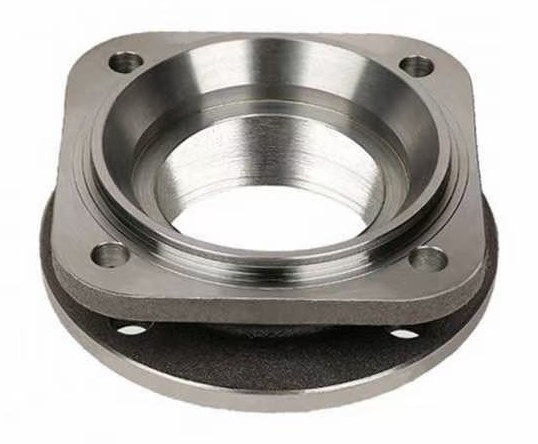
Identify the bearing bore, shoulders, mounting faces and locating datums. Include the mating-part requirements and the dimensions to report with the first sample.
Mark the central fit, hole pattern, face runout and any keyed or threaded features. State which surfaces must be machined and which may remain as cast.
Provide the mounting geometry, working loads and operating conditions. The specified grade and acceptance criteria must suit the actual application.
Specify the right iron
Both are regular JK material families. Their names are not interchangeable, and a quotation for one is not approval to substitute the other. Use the complete designation from the drawing, including the standard and delivery condition.
For grade equivalents across ASTM, EN, GB, ГОСТ and JIS, see the ductile iron grades chart and the gray iron grades chart. Sand casting vs investment casting explains why iron parts are normally sand cast. To choose between the two families, see ductile vs grey iron; for ductile grades, tests and RFQ details, see ductile iron castings.
For other material families, see our material specification guide, the cast carbon steel grades chart and carbon steel casting review, or steel castings.
Gray iron is also spelled grey iron. For a housing, base or support enquiry, give the exact grade, governing standard, section requirements and specified hardness or mechanical tests. Include any restrictions on repairs and the required surface acceptance.
These designations are approximate cross-references. The drawing's standard and acceptance criteria govern, and substitution needs buyer approval.
A description such as “cast iron housing” is not enough to confirm the grade. If the original drawing is incomplete, send the available specification and application details for review.
Ductile iron is also described as nodular or spheroidal graphite iron. State the grade and standard together with any tensile, yield, elongation, hardness or microstructure acceptance requirements shown on your drawing.
These designations are approximate cross-references. The drawing's standard and acceptance criteria govern, and substitution needs buyer approval.
Identify the test-piece requirements, heat-treatment condition and any additional impact or low-temperature tests. We confirm the production and inspection scope before quoting; the family name alone does not establish those properties.
Gray or ductile iron?
Both irons are sand cast to your drawing, including resin-coated sand shell moulds where a cleaner surface helps, and supplied raw or CNC-machined. The grade on the drawing governs; the notes below are starting points for choosing a family.
Housings, machine bases, covers, bearing supports and gearbox bodies that need stiffness, vibration damping and easy machining, where the drawing does not call for elongation. Gray iron grades are set by tensile strength; see the gray iron grades chart.
Hubs, brackets, levers and housings that take bending, shock or impact loads, where the drawing specifies tensile strength, yield strength and elongation. See the ductile iron grades chart for grades and equivalents.
Scroll sideways to see all columns
| Part | Usual iron | Typical machined features | Industry page |
|---|---|---|---|
| Bearing housings and supports | Gray iron; ductile iron for shock loads | Bearing bore, shoulder, base face, bolt holes | Industrial machinery |
| Gearbox and reducer housings, covers | Gray iron, ductile iron | Bearing bores, joint faces, threaded ports | Industrial machinery |
| Machine bases and frames | Gray iron | Mounting faces, hole patterns | Industrial machinery |
| Hubs and flanged parts | Ductile iron | Central bore, flange face, bolt circle | Construction equipment |
| Brackets, hangers and levers | Ductile iron | Pin bores, mounting holes, mounting faces | Agricultural machinery |
Typical starting points, not design rules. The grade, route and machining scope are confirmed against each drawing.
Choose the supply condition
Send the casting drawing, or clearly identify machining stock on the finished drawing. Define the as-cast dimensions, cleaning, heat treatment, marking and delivery condition required for your own machining process.
JK can include machining with the castings it supplies. Mark datum faces, bore fits, hole positions, threads, surface finish and inspection points. See the machined casting supply route.
State whether existing tooling is available and who owns it. Agree the sample quantity, drawing revision, inspection report and approval criteria before repeat production. Tooling suitability is reviewed with the part.
Specify coating or rust protection, masking of machined surfaces, part identification, packing and delivery batches. Separate these items in the RFQ so the quotation reflects the scope you actually need.
Iron casting RFQ checklist
The most useful starting point is a controlled finished-part drawing and its material requirement. Include a 3D model if available. A photo or worn sample can start a discussion, but critical dimensions and acceptance criteria still need confirmation.
For bores, datums and mounting faces, use our housing RFQ guide and editable worksheet. For a repeat-order programme, define the sample approval record before releasing production.
Representative parts from our product gallery. Material, process and inspection for your part are confirmed against your drawing.
Buyer questions
Yes. Ductile iron is a cast iron with graphite in nodular or spherical form, also called nodular iron or spheroidal graphite iron. The name describes a material family, not one universal strength or delivery condition. For a quotation, specify the grade, governing standard, required properties and treatment condition instead of writing only “cast iron”.
For a metallographic reference, see the Universidad Complutense de Madrid ductile iron specimen. Its illustrated microstructure is an educational example, not a JK product test report. Your order requires its own agreed material evidence.
Yes. Identify both supply conditions in the same enquiry and attach the finished drawing. Define the required casting stock and raw acceptance for the casting-only option, and the finished tolerances and reports for the machined option.
Do not substitute the material based only on the family name. Any proposed change must be reviewed against the design, applicable standard and service conditions, then approved by the buyer before production.
This route is for drawing-based cast housings and supports. If an enquiry also needs bearings, seals, fasteners or assembly, identify those items separately so the supply responsibilities can be confirmed.
The drawing, casting geometry, material, tooling, quantities, machining, finish, inspection and sample approval scope all affect the quotation. Send those details before requesting a confirmed price or delivery schedule.
Yes. Gray (grey) iron and ductile iron parts are produced by sand casting. The pattern, moulding and cores are planned from your drawing, and machining, finish and inspection are quoted to the agreed supply condition.
Ask for evidence you can check: factory photos or video, photos of similar parts in production, a sample material certificate (for example EN 10204 3.1 with chemistry and tensile results), sample inspection records, and how the first article is approved before batch production. JK Casting shares factory and production photos on request, and agrees the material certificate, inspection records and first-article approval steps for each order.
Gray iron is the usual choice for housings, machine bases, covers and bearing supports that need stiffness, vibration damping and easy machining. Ductile iron is used for hubs, brackets, levers and housings that take bending, shock or impact loads, because its grades also specify yield strength and elongation. The grade on your drawing governs.
Iron castings JK Casting supplies can be CNC-machined on bearing bores, faces, flange and bolt holes, threads and pin bores, as shown on the drawing. Raw castings for your own machining line can be quoted as well. Machining-only orders for castings from other foundries are not accepted.
Include the grade, quantity and raw or machined supply condition. We will review the part and identify the details needed for quotation.