
FD
Finished drawing baseline
Start with the dimensions, fits, material condition, finish, and inspection requirements of the delivered part.
Plan casting and CNC machining together, with allowance, datums, setups, and inspection points agreed before the casting is made. The quotation covers the castings we supply and their required machining, finish and inspection.
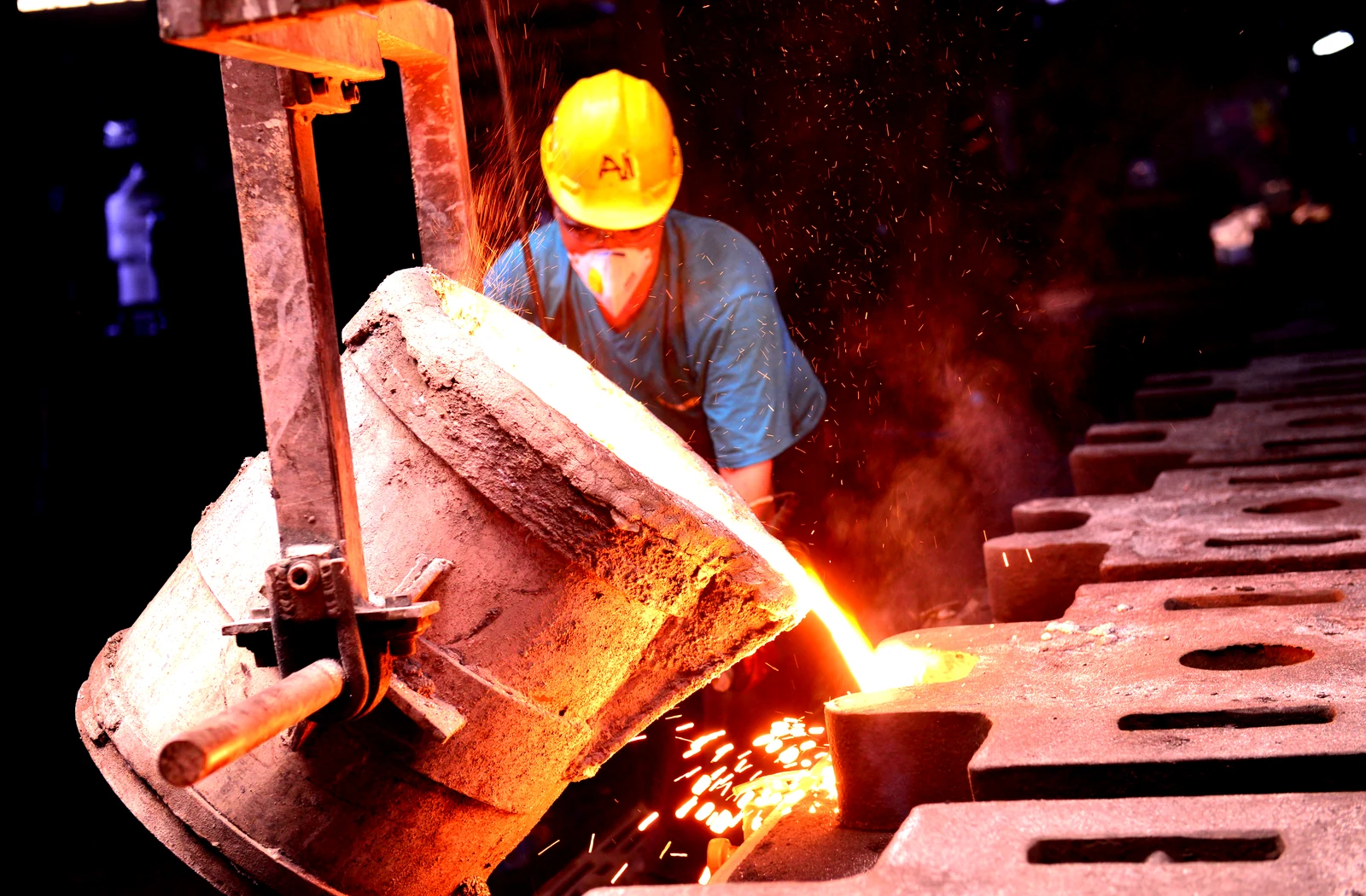
The main risk is not one isolated operation; it is losing drawing intent when the part moves from tooling and heat treatment into machining, inspection, finishing, and packing.
Start with the dimensions, fits, material condition, finish, and inspection requirements of the delivered part.
Create a linked casting condition for parting, cores, draft, stock, and raw acceptance.
Reserve machining allowance by feature so critical surfaces clean up without unnecessary material.
Order heat treatment, rough machining, finish machining, coating, and inspection around distortion risk.
Place checks between stages so a problem is found before the next operation hides or multiplies it.
Keep tooling, raw drawing, machining program, fixture, and final drawing revisions synchronized.

The finished and raw drawings should share revision control, functional references, stock assumptions, treatment condition, and inspection gates so each stage protects the next.
Confirm drawing revision, material, critical interfaces, quantity, finish, and final evidence.
Approve the raw condition, tooling plan, cores, stock, sample checks, and casting acceptance.
Run the agreed sequence with defined setup references and inspection gates between stages.
Complete final inspection, finishing, records, preservation, and shipment packing.
Purchasing, production, machining, inspection, and shipment should all work from the same approved revisions and acceptance basis.
Connect casting geometry, stock, datums, and final requirements without relying on verbal handoffs.
Keep tooling, treatment, machining, finishing, and inspection changes tied to one project record.
Place checks after casting, treatment, rough machining, and finishing where they protect downstream work.
Collect the agreed material, dimensional, surface, test, and packing evidence for release.
Final acceptance should remain tied to the controlled drawing, purchase order, and approved route record.
We will define the raw casting, treatment sequence, machining plan, inspection gates, finishing, packing, and quotation scope around the delivered part.
Repeat casting orders: a release checklist for revisions and call-offs
Includes an editable worksheet for your purchasing and engineering review.