
TR
Turning
Control diameters, shoulders, grooves, faces, and concentric features around a stable rotational datum.
Our in-house machining completes drawing-based casting orders. Send the finished drawing, cast grade and quantities to review bores, faces, threads, fits and inspection. The quotation covers the casting and required machining together.
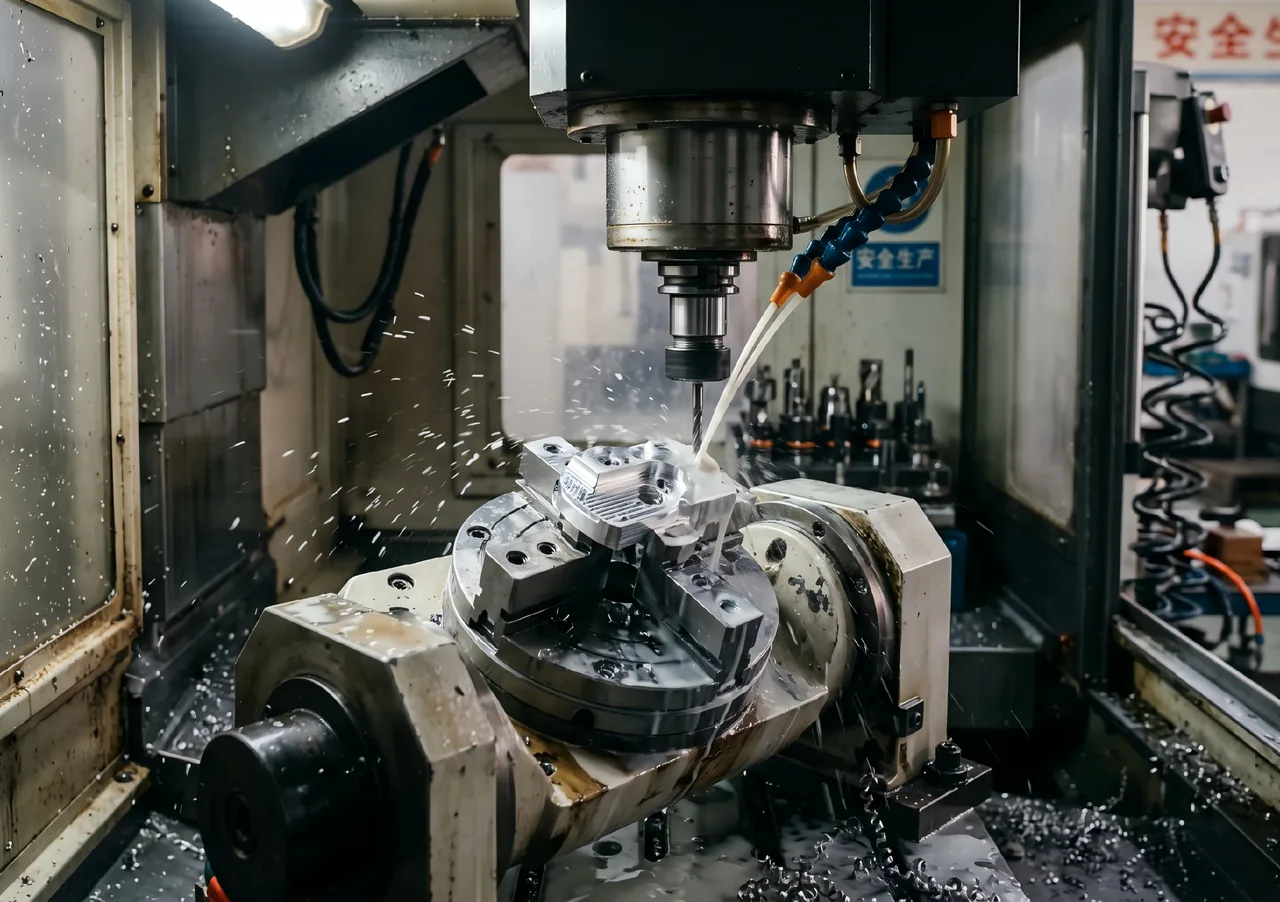
A process plan starts with functional datums and inspection access, then assigns the required operations. For cast blanks, review the machined casting supply condition; define critical features through the inspection plan.
Control diameters, shoulders, grooves, faces, and concentric features around a stable rotational datum.
Machine mounting faces, slots, pockets, profiles, and hole patterns from defined setup references.
Finish bearing seats, aligned bores, sealing diameters, and other internal features that control fit.
Define hole position, depth, thread specification, entry condition, and inspection before production.
Choose clamping points and setup sequence that protect the functional datums without distorting the part.
Match gauges and measurement methods to the tolerances, fits, and feature relationships on the drawing.
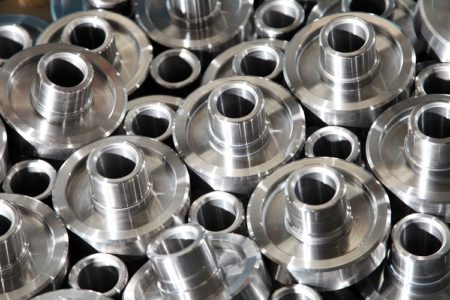
The machining plan should show how the part is located, which features share a setup, where distortion may occur, and how each critical requirement will be inspected.
Identify functional datums, critical fits, threads, finishes, and inspection requirements.
Plan clamping, tool access, setup order, stock condition, and distortion control.
Machine by controlled setups and measure risk features before the next operation.
Verify specified features, deburr, clean, preserve, and pack the finished components.
Keep the finished drawing, setup basis, in-process checks, and final results aligned to the same revision and functional datums.
Identify the references that control machining, assembly, and dimensional inspection.
Record how the part is located, clamped, and transferred between operations.
Check high-risk features before later operations make correction difficult or expensive.
Report the agreed features, measurement method, sampling basis, and acceptance result.
Final machining acceptance should follow the controlled drawing, purchase order, and agreed inspection plan.
We will review the starting condition, setup sequence, cutter access, critical features, inspection method, finishing, and the practical quotation scope.