
WP
Wet paint systems
Primer and topcoat combinations for broad color choice, large parts, field repair, and specified corrosion performance.
JK Casting reviews surface finishing and heat treatment around the real service environment. Send drawings, 3D files, samples, or worn parts; we check substrate, corrosion, wear, masking, thickness, color, texture, inspection, and packing before coating or heat treatment.

The finish depends on substrate, geometry, corrosion target, masking, appearance, and cost. For power line hardware or oilfield components, send the service conditions and coating specification. Agree the processing provider and inspection records before production.
Primer and topcoat combinations for broad color choice, large parts, field repair, and specified corrosion performance.
A durable, consistent decorative coating for compatible part size, geometry, masking, and cure conditions.
Thick sacrificial zinc protection for outdoor steelwork where drainage, venting, appearance, and dimensional change are acceptable.
Controlled zinc protection for smaller steel parts, fasteners, and hardware with specified passivation and thickness.
Conversion finishes used for appearance, oil retention, paint preparation, or moderate corrosion control.
Surface cleaning and profile preparation that strongly influence coating adhesion and final appearance.
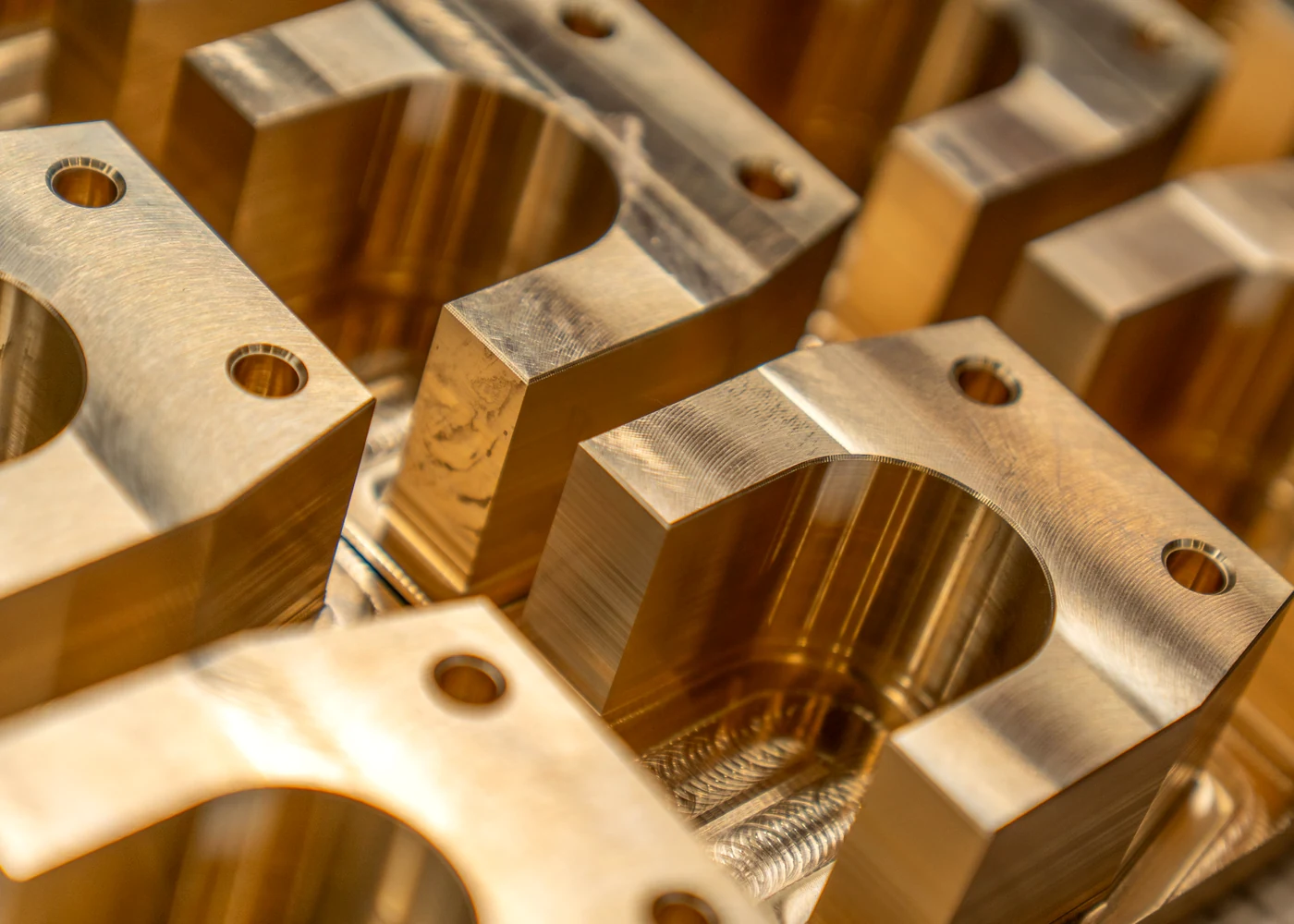
Coating problems often come from missing details at interfaces: threads, bearing seats, electrical contacts, sealing faces, weld zones, and drainage paths.
Remove scale, oil, rust, and contamination; create the required surface profile.
Protect machined fits, threads, grounding points, and other no-coat zones.
Control material, application, film build, cure conditions, and handling.
Check appearance, thickness, adhesion, masking, damage, and packing protection.
Document the technical basis so purchasing, production, inspection, and shipment use the same requirements.
Name the approved coating system, standard, supplier system, or customer specification.
Define thickness, color tolerance, gloss, adhesion, corrosion test, or visual standard as needed.
Show protected threads, bores, fits, contacts, and datum areas clearly.
Use a physical chip or approved sample when appearance is commercially important.
Use these answers as a starting point. Final acceptance criteria should be tied to the drawing, purchase order, and approved technical record.
Share drawings, models, samples, quantities, material requirements, finish, inspection scope, and target delivery. We will review the evidence and identify the next technical step.