
Why tooling comes first
A casting is poured into a mould, and the mould is formed from tooling. That is why samples are made from the production tooling and quoted with it, and why a single cast piece is rarely economical. At JK Casting, tooling is quoted separately for each drawing.
1. Know which tooling your route needs
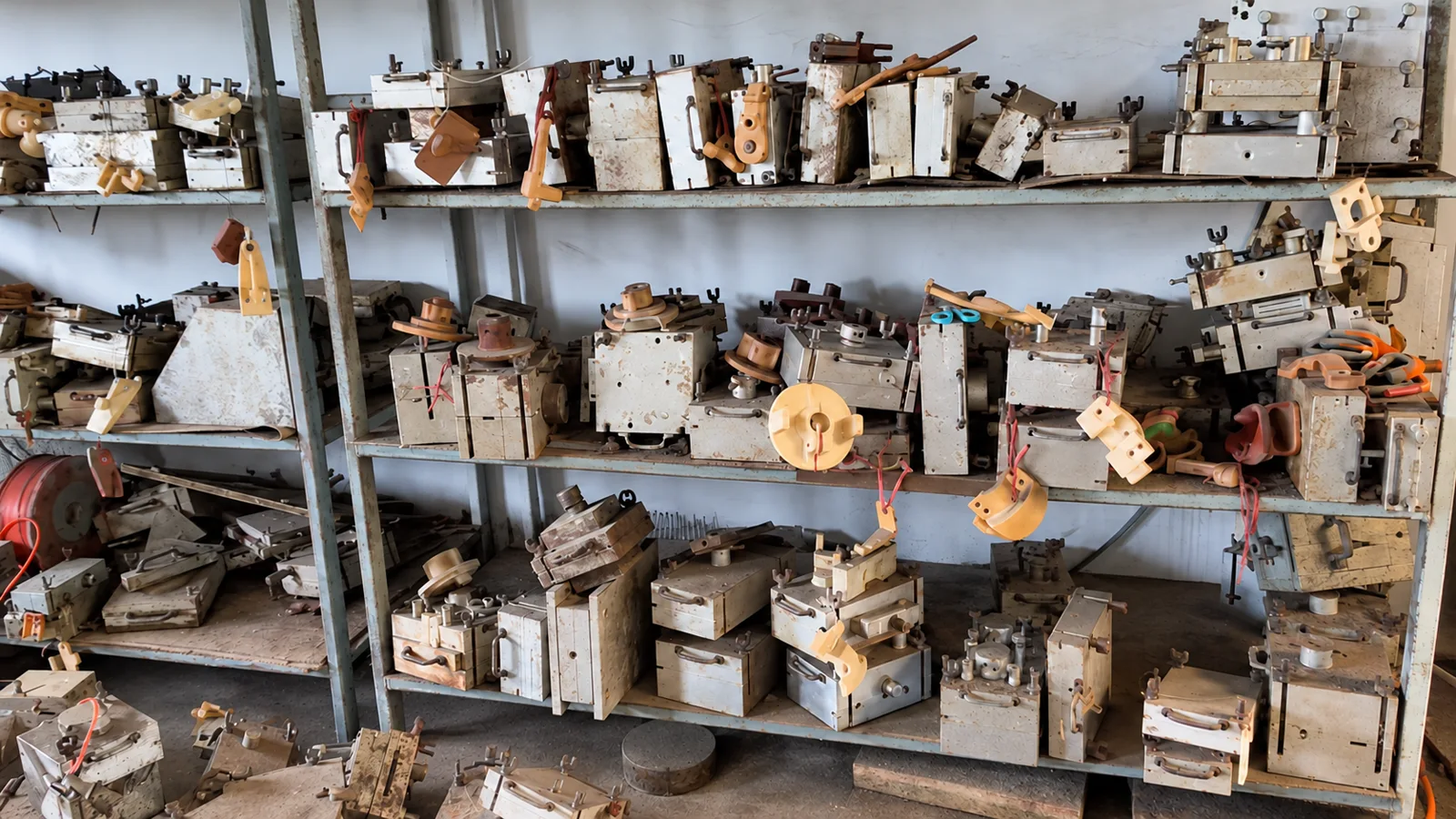
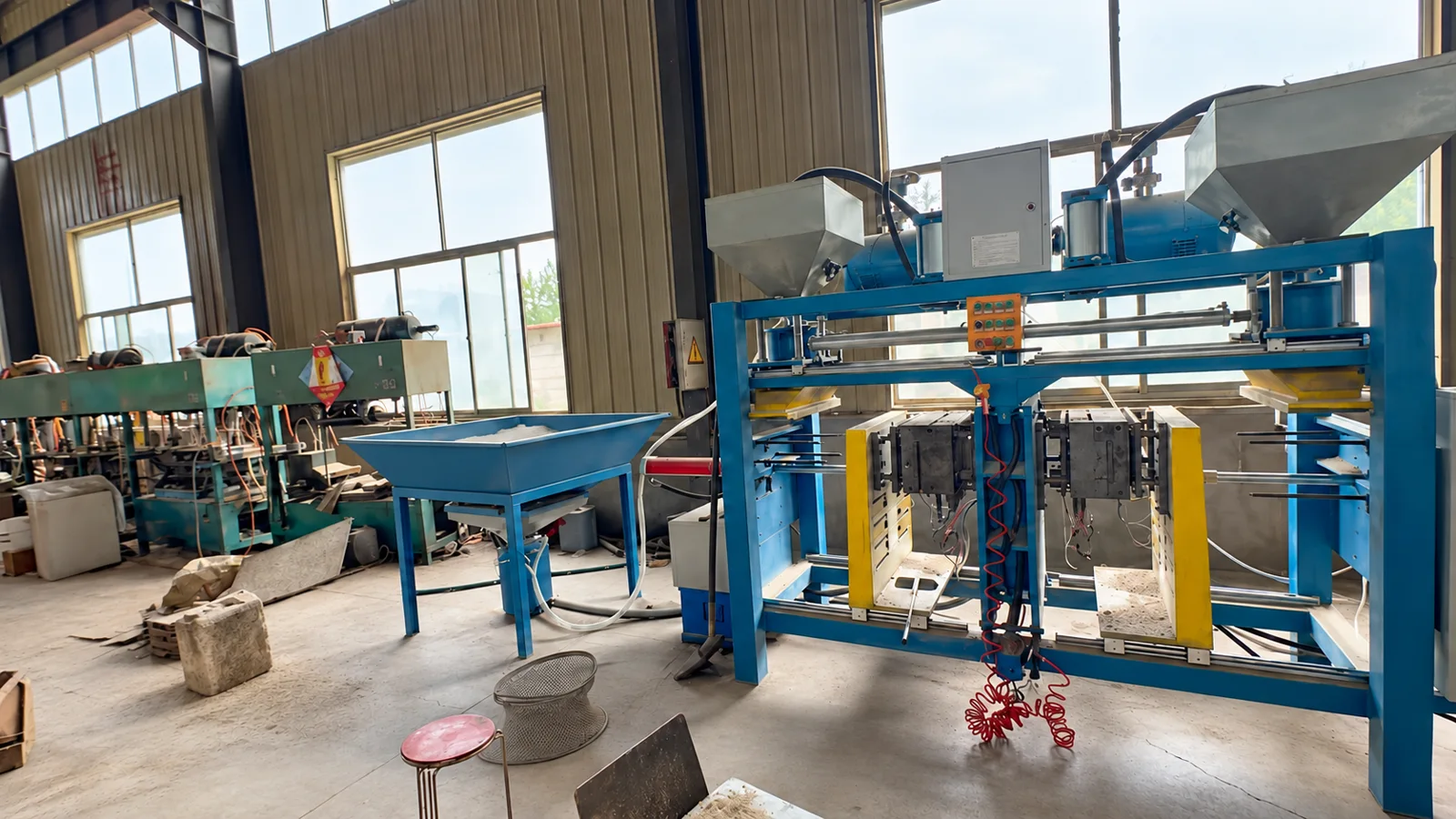
Sand casting uses a pattern that forms the outside of the part and core boxes that form internal passages. Investment casting uses a metal die into which wax patterns are injected; each wax pattern is coated in ceramic and melted out. The sand vs investment guide explains how the route is chosen.
2. Understand what drives the cost
- Size of the part and the tooling around it.
- Cores: each internal passage needs its own core box.
- Complexity: undercuts and side features need loose pieces or side actions in a die.
- Cavities: tooling that makes several parts per mould costs more but lowers the piece price.
- Expected volume: higher volumes justify more durable tooling.
3. Compare tooling together with the piece price
Tooling is a one-time cost; the piece price repeats with every batch. Spread the tooling over the quantity you expect to buy, then compare offers on the cost per finished part, including machining. A more expensive die that removes machining or doubles the cavities can be the cheaper choice over the life of the part. The quote comparison guide separates these costs.
4. Agree ownership and records in writing
Practice varies, so put it in the quotation or purchase order: who owns the tooling once it is paid for, how it is identified, where it is stored, how long it is kept after the last order, and on what terms it can be moved to another supplier. Clear records also make a later supplier transfer much simpler.
5. Plan for changes and wear
A drawing change usually means a tooling change, a new tooling revision and a new first-article check. Tooling also wears and needs repair over time. Agree in advance how design changes and repairs are quoted, and keep the tooling revision linked to the drawing revision.
Illustrative example: two offers for a steel bracket
A buyer expects to order 5,000 steel brackets a year. One offer has lower tooling cost with one part per mould and more machining. The other has a two-cavity wax die and a near-net shape that needs only drilling. Spread over the first two years, the second offer has the lower cost per finished part, even though its tooling price is higher. The buyer also asks both suppliers to state tooling ownership and storage terms in the quotation.
Information to collect
- Drawing and revision, with the casting route if already chosen
- Expected annual quantity and the life of the part
- Tooling price, type and number of cavities in each offer
- Piece price and machining scope in each offer
- Tooling ownership, identification and storage terms
- How design changes and repairs are quoted
- Conditions for moving tooling to another supplier
Send the drawing and annual quantity to receive a quotation with tooling and piece price shown separately.
Related guides: Making a casting from a sample · Changing casting suppliers
Frequently asked questions
Why are casting samples not free?
Samples are cast from the production tooling, so the tooling has to be made first. Samples are therefore quoted together with the tooling.
Is tooling a one-time cost?
Usually it is a one-time cost per drawing revision. Drawing changes and repairs after long use may need tooling work, so agree in advance how these are quoted.
Who owns casting tooling?
Practice varies between suppliers and contracts. Agree in the quotation or purchase order who owns the tooling once it is paid for, where it is stored and how it can be transferred.
How is tooling quoted at JK Casting?
Tooling is quoted separately for each drawing. The cost depends on part size, cores and the number of cavities.